"I want a change, but I don't want to be in the salon every month. Should I get balayage or highlights? Or just colour all of it?"
Balayage vs highlights is one of the most common questions at a colour consultation, and the honest answer depends less on trends and more on three things: how much regrowth you are happy to live with, how light you want to go, and whether you have greys to cover.
The short version
- Choose balayage if you want soft, lived-in brightness that grows out gently and needs fewer visits.
- Choose highlights if you want more even, noticeable brightness from root to end, or want to blend greys.
- Choose global colour if you want one rich, uniform shade all over, or full grey coverage.
The rest of this article explains why, and what each option looks like on naturally dark hair.
What Each Technique Actually Is
Balayage
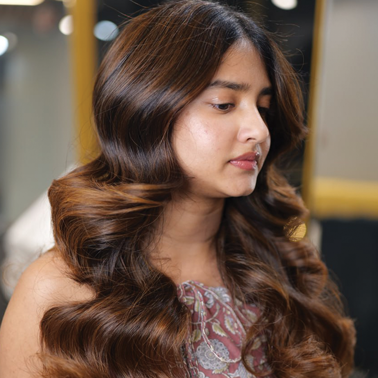
Balayage is a hand-painting technique. Your colourist paints lightener or colour onto sections of hair freehand, usually starting a little away from the root and getting brighter towards the ends. Because there is no hard line at the root, it looks natural as it grows. On the Vurve Salon colour menu, you will see this listed as hair painting.
Highlights
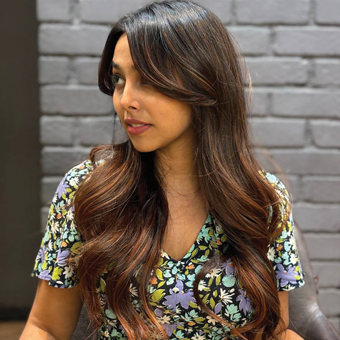
Highlights are fine or chunky strands of hair woven out and lightened inside foils. Foils trap heat and keep the lightener on the chosen strands, so highlights can usually go lighter and look more even than balayage. They can start right at the root. You can have a partial set (often around the parting and face) or a full head.
Global Colour
Global colour means applying one shade all over, root to tip. It can deepen, warm up, cool down or gently lift your natural colour, and it is the most straightforward way to cover greys completely.
Where Ombre Fits In
Ombre is a close cousin of balayage. It moves from darker roots to noticeably lighter ends in a more visible, graduated band. Balayage tends to be softer and more scattered; ombre is a clearer two-tone effect.
Balayage vs Highlights vs Global Colour: Side by Side
| Balayage | Highlights | Global colour | |
|---|---|---|---|
| Look | Soft, sun-touched, darker at the root | Brighter, more even, can start at the root | One uniform shade |
| Regrowth | Grows out gently | Visible line as hair grows | Visible line, especially over greys |
| Typical upkeep | Toner refresh between appointments; repaint every few months | Touch-ups every two to three months for a polished look | Root retouch every four to six weeks if covering greys |
| Grey coverage | Poor; not designed for it | Can blend scattered greys | Best option for full coverage |
| Time in chair | Longer | Long, especially full head | Shortest |
These are general guides. Your hair's growth rate, the contrast you choose and how you care for it all change the numbers.
What Happens When Dark Indian Hair Is Lightened

Most Indian hair is naturally dark brown to black. When dark hair is lightened, it does not go straight from brown to beige. It passes through warm stages of red, copper, orange and gold along the way. These are your natural underlying pigments, and they show up whichever technique you choose.
This is why two things matter so much on dark hair:
- Toner. After lightening, your colourist will usually apply a toner or gloss to neutralise unwanted warmth and set the final shade, whether that is caramel, honey, ash or chocolate. Toner fades over time, which is why lightened hair can start looking brassy after a few weeks.
- Realistic targets. Going from black hair to icy blonde in one sitting is rarely kind to the hair. Lifting several shades takes stronger lightener and more time, and the more you lift, the more care the hair needs afterwards. Warm caramel, honey and soft bronze tones are often easier to achieve and maintain on dark hair than very cool, pale blondes.
A good colourist will tell you what is achievable in one sitting and what may need two or more.
Which One Suits You?
If you want low maintenance
Balayage is usually the better fit. Since the roots stay close to your natural shade, you will not see a sharp regrowth line. Many clients come back for a toner refresh between full appointments to keep the colour from turning brassy.
If you have greys
Balayage is not designed to cover greys. If you have only a few greys scattered through the hair, highlights or fine babylights can help them blend in. If you have more, global colour or a root colour service is usually the more practical route. Some clients combine the two: global colour for coverage, with a few lighter pieces for dimension. Ask about this at your consultation.
If you want a noticeable change
Highlights give a more visible and even brightness, especially if you want lighter pieces near your face and parting. A full head of foils will brighten your overall look more than balayage.
If you want richness without lightening
Global colour can add depth and shine, such as a deep burgundy, a soft brown or a cool espresso, without lifting your hair much. It is often the gentlest choice for hair that is already dry or chemically treated.
If your hair is curly or wavy
Balayage is often placed to follow the shape of each curl, so the colour shows up where the light hits. Ask your colourist whether they colour curly hair dry or wet, and to place colour with your curl pattern in mind rather than on straightened hair.
Before You Book: Things to Tell Your Colourist
- Henna or box colour. Henna and some home colours can affect how lightener and salon colour take, and the result may be uneven or unexpectedly warm. Be honest about your history, even from a year or two ago. Removal may be needed before lightening. Vurve Salon's colour menu includes a box colour and henna removal add-on.
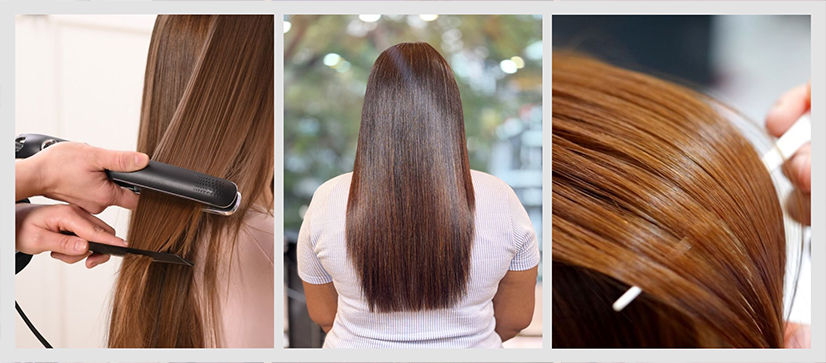
- Smoothing or keratin. If you are planning a smoothing treatment too, discuss the order. Colour is usually done before or on the same day as keratin. Read more in our post on the truth about keratin treatments.
- Allergies or past reactions. Ask whether a skin allergy test is needed. Many colour brands recommend one 48 hours before the service, particularly for new clients or new products.
- Your routine. Daily swimming, a lot of time outdoors, frequent heat styling or a strict workplace dress code all affect which technique suits you.
How to Make Your Colour Last
Colour care matters more for lightened hair than for global colour, but a few habits help both:
- Use colour-safe shampoo and conditioner, and wash a little less often if your scalp allows it.
- Protect from sun. Sun can fade colour and dry out lightened hair, a point the American Academy of Dermatology also makes in its advice on colour-treated hair. A hat or a scarf helps on long days outdoors.
- Use a heat protectant before blow-drying or using irons.
- Book a toner refresh if your balayage or highlights start turning brassy, rather than recolouring the whole head.
- Rinse after swimming. Chlorine and salt water can dry and dull coloured hair.
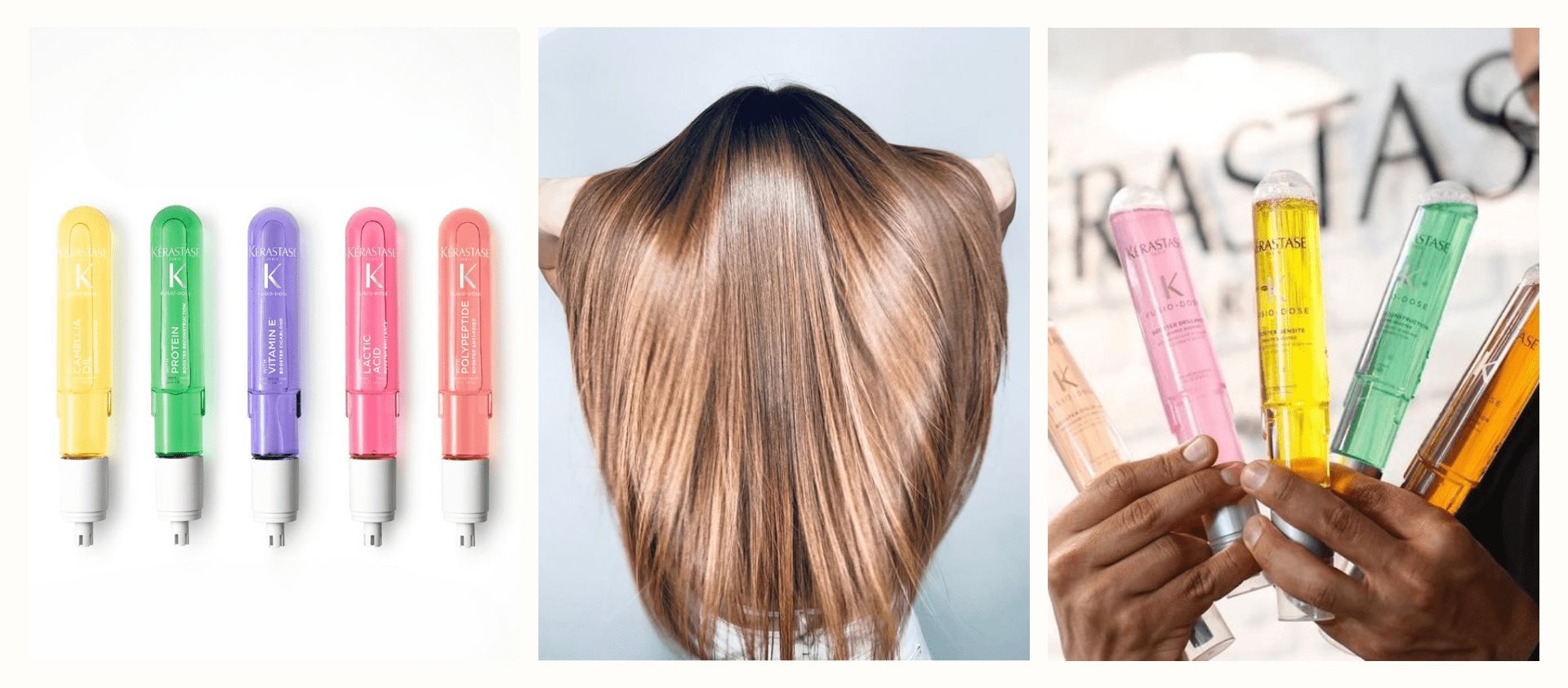
- Keep up conditioning. Lightened hair is more porous and loses moisture faster, so regular conditioning helps it look and feel healthier. In-salon options such as Kérastase Fusio Dose can be added to a colour visit.
Questions to Ask at Your Consultation
- How light can I go in one sitting, and what will it take to get to my goal?
- Will I need toner, and how often should I refresh it?
- What will my regrowth look like in two months?
- How will this work with my greys, henna history or past treatments?
- Which products should I use at home?
Planning Your Colour at Vurve Salon
Balayage, highlights and global colour each suit different hair, lifestyles and goals. The best results start with a proper conversation about your hair history and how much maintenance you want. At Vurve Salon, our colourists can look at your hair in person and suggest the option, shade and placement that will work for you, now and as it grows out.
Explore our hair colouring services, then book a colour consultation or find your nearest Vurve Salon.
Frequently asked questions
1. Is balayage less damaging than highlights?
Not necessarily. Both usually involve lightener. Balayage often lightens less hair overall and less near the root, but the amount of lift and your hair's condition matter more than the technique. Ask your colourist how much lightening your plan involves.
2. Can I get balayage on black hair?
Yes. Black and dark brown hair can be lightened for balayage, though it will pass through warm tones on the way. Caramel, honey and bronze shades are often easier to achieve and maintain than very pale or ashy tones.
3. How long does balayage last?
The lightened pieces stay until they are cut off or coloured over, but the toned shade fades over several weeks. Many clients refresh the toner between full appointments and repaint every few months.
4. Does global colour cover grey hair completely?
A global colour or root colour service is usually the most reliable way to cover greys. Very resistant greys may need a specific formula, so mention them at your consultation.
5. Can I switch from global colour to balayage?
Usually yes, but colour does not lift colour easily, so previously coloured hair may need more care or more than one sitting. Your colourist will check your hair before suggesting a plan.
Popular Post
Everything You Need To Know About Keratin Treatment
August 7, 2019
Hair Botox Treatment: Everything You Need To Know
June 28, 2024
- Categories
- Bridal Makeup (4)
- Buzz (6)
- Vurve Academy (4)
- Hair (19)
- Hair Care (6)
- Hair Colour (4)
- Hair Cut (4)
- Men's Grooming (3)
- Men's Skincare (2)
- Nails (3)
- Semi Permanent Makeup (1)
- Skin (10)
- Aesthetics (7)
- Vurve Salon (2)