Category: Hair Care
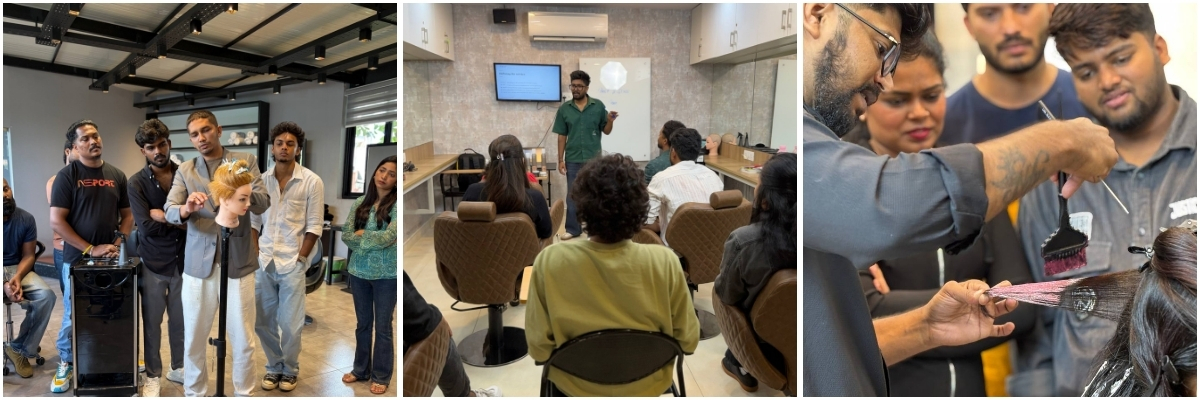
Ask most people what a hairdresser's career looks like, and you'll probably get the same tired image. A neighborhood salon, a pair of scissors, and limited opportunities for growth. That picture is badly out of date. India's beauty and personal care market has crossed $30 billion and continues to grow at more than 10% a year (Source), and hairdressing services sit right in the middle of that spending.
Clients aren't walking in asking for "just a trim" anymore. They're asking for balayage, keratin smoothening, hair Botox, and bridal transformations; they've already researched them on Instagram, and they're willing to pay for it. That shift has quietly turned the hairdressing course in India from an afterthought into one of the fastest, most practical routes into a well-paying, creative career. It also helps that the path doesn't demand years of waiting before it pays off. Most professional routes in India need a multi-year degree before the first real paycheck shows up. Hairdressing usually needs a matter of weeks, which is why it's pulling in such a wide mix of people right now: fresh 12th-grade graduates, homemakers returning to work, and professionals ready for a hands-on career change.
If you're searching for a hairdressing course for beginners with no experience or trying to work out whether a hairdressing career after 12th actually makes sense, this guide covers all of it. The career paths, the training route, the fees and ROI, and the real salary numbers at each stage.
Is Hairdressing a Good Career in India in 2026?

Yes, and the reasons go well beyond "people will always need haircuts."
Client spending on grooming and specialized hair services has risen steadily, with premium salons benefiting the most. While salons once relied on informal on-the-job experience, premium chains now prefer stylists with certification. Certification demonstrates an understanding of hair science, chemical safety, and scalp health, rather than just basic technique.
Rising demand for specialization has driven that shift. Balayage, keratin treatments, hair Botox, and bridal styling aren't niche add-ons anymore. They're core revenue services at any salon that wants to compete for premium clients, and a stylist who can deliver these confidently is worth noticeably more than a generalist.
Social media has raised the bar too. Clients now walk into consultations with reference photos and a working vocabulary of trends they picked up from Instagram and YouTube. That's created an opportunity as much as a pressure, because a stylist who documents their own work well can build a personal following independent of any one salon.
What Jobs Can You Get in Hairdressing?
Once you're trained, "salon stylist" is just the entry point, not the ceiling. The same core skills, cutting, colour, texture work, and client consultation, translate across salon floors, film sets, wedding venues, and classrooms.
Traditional and Salon Roles
- Salon Stylist: Cuts, styles, and washes hair for daily walk-ins and a growing base of regular clients.
- Color Specialist: Mixes and applies colour, from natural-looking dimensions to bold transformations. Colour work commands some of the highest service prices in salons.
- Salon Owner: Runs their space, manages a team, and builds a brand around their name.
Creative and Media Jobs
- Editorial Stylist: Styles hair for fashion magazines, photoshoots, and runway shows.
- Film and TV Stylist: Designs looks for actors on movie sets and in television productions.
- Bridal and Event Stylist: One of the fastest-growing niches in India, given the scale of the wedding industry. Specialized updos and bridal hair command premium, per-booking rates.
Corporate and Teaching Paths
- Hair Educator: Teaches new students at a beauty academy, a natural next step for experienced stylists who enjoy mentoring.
- Platform Artist: Demonstrates new techniques on stage for major haircare and product brands.
- Sales Representative: Sells professional haircare products and tools to salons, bridging the technical and business sides of the industry.
How to Become a Professional Hairstylist in India
Wondering how to become a professional hairstylist in India? The path is more structured than most people expect, and it doesn't require a college degree. Start after 12th grade. Most hairdressing academies accept students right after their board exams, and many also welcome career changers and homemakers with zero prior experience. A hairdressing career after 12th is one of the fastest routes to paid, skilled work in the country.
Find a beginner-friendly course. Look specifically for hairdresser courses for beginners, such as those that start from the fundamentals rather than assuming prior skills. Complete a certified diploma. A structured, certified hairdressing training program is what most premium salons now look for when hiring, rather than a scattered mix of tutorials. Get floor experience through an internship. A mandatory salon internship exposes you to real clients, real-time pressure, and real consultations, the things that actually make you salon-ready.
Build a visual portfolio. Document every transformation you work on. A strong portfolio often leads to a job offer, regardless of how many years of experience you list. Taken together, this route usually takes a few months from start to salon-ready, dramatically shorter than most professional training paths in India.
Choose the Right Hairdressing Course and Training Hub
The right hairdressing course builds your foundation before it hands you scissors. It teaches the science of hair and scalp health, insists on live client practice instead of just mannequins, and is backed by an academy with a proven track record of placing its graduates in real jobs. Below is a breakdown of exactly what to look for to ensure your academy delivers on all three.
Understand the Hairdressing Course Syllabus
A strong syllabus starts with the science of hair and scalp health before moving into actual styling. This foundation is crucial because a stylist who knows why a technique works can easily adapt it to different hair types, while someone who only memorizes the steps will struggle the moment a client doesn't look like the textbook example. To build that kind of real-world confidence, make sure your course covers a few core modules.
- Hair science, hair structure, and scalp basics, the foundation everything else builds on
- Shampooing, conditioning, hygiene, and client consultation
- Haircutting fundamentals, layering, and texturising
- Coloring, bleaching, balayage, and chemical treatments, where a lot of the earning potential lives
- Blow-drying, finishing, tool handling, and client care
Compare Beginner and Advanced Programs
Not every stylist needs the same hairdressing course, which is why most reputable academies, Vurve Academy included, run separate tracks.
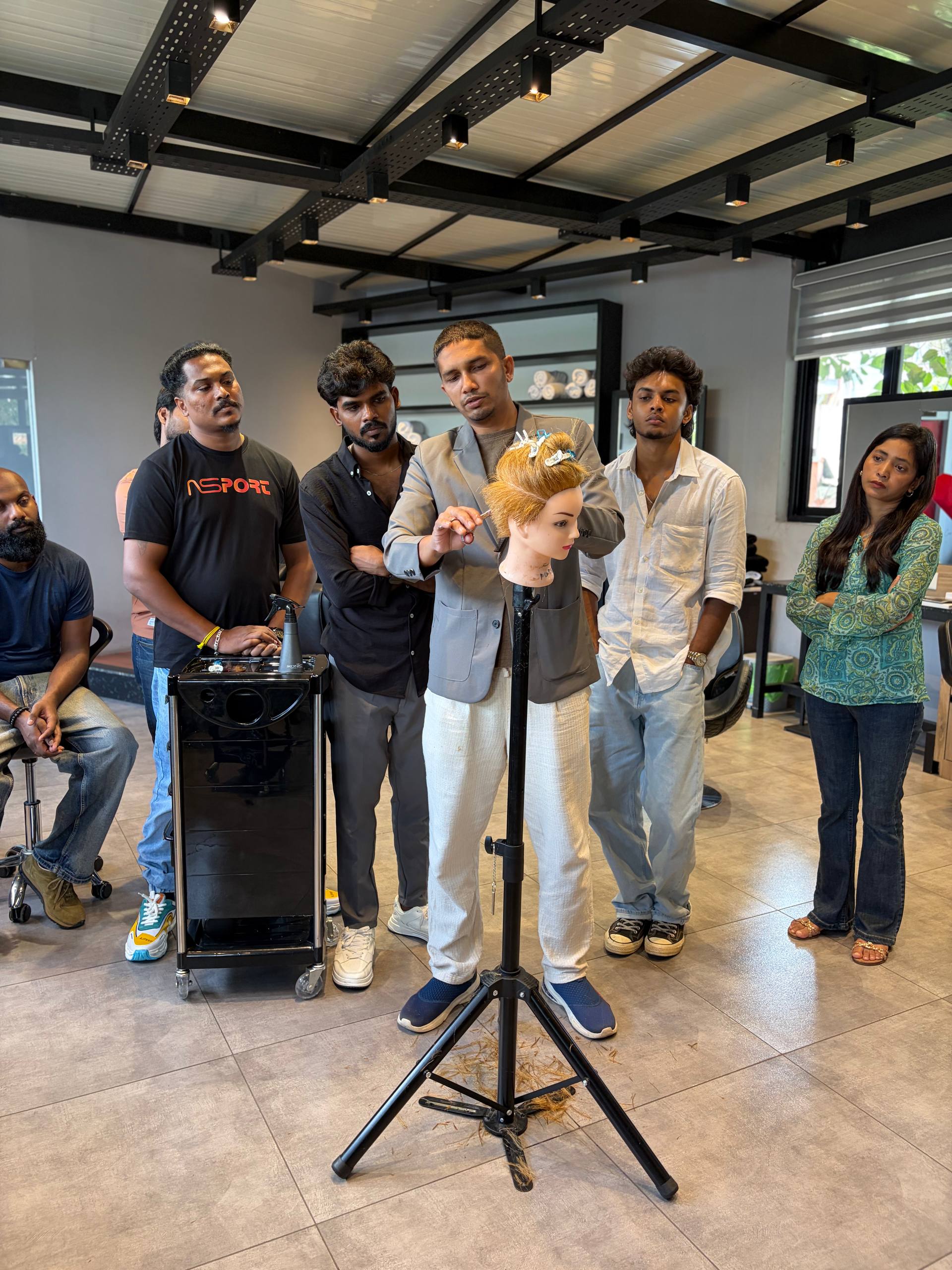
The 8-week Hair Foundation Course is built for people starting from zero. It's designed for beginners with no experience, homemakers considering a career change, students just finishing 12th grade, or anyone exploring their options. It covers the full basics, cutting, coloring, styling, and chemical treatments, so graduates leave salon-ready rather than just introduced to the craft.
For stylists with some experience, an advanced hair color and cutting course fits better. Vurve's version, the Advanced Haircut & Color Course, is a shorter, more intensive four-week program focused on advanced cutting techniques, color correction, and hands-on practice with live models rather than mannequins. For someone who wants a deeper credential from the start, a full diploma in hairdressing in India is usually the better long-term investment, combining both skill levels into one structured, certificate-backed program.
What Should Practical Training Include in a Hairdressing Course?
The single biggest differentiator between a course that produces confident, hireable stylists and one that doesn't is practical exposure. Prioritise live model work over classroom-only learning, demonstrations with guided practice and feedback in the same session, a reasonable student-to-mentor ratio, portfolio creation built into the course itself, and clear specifics on certification and placement assistance rather than a general assurance.
How Much Does a Hairdresser Earn in India?
Career Stage |
Typical Monthly Earnings |
Notes |
Beginner Stylist |
₹15,000 to ₹28,000 |
Approximately ₹23,000 for a beginner stylist at Vurve |
Experienced Stylist |
₹50,000 to ₹1,00,000 |
Grows with specialization (color, chemical treatments, bridal work) |
Top Stylist (5+ years, at Vurve) |
Around ₹55,000 |
Senior technical role with a strong client following |
Salon Director (8+ years, at Vurve) |
Around ₹80,000 |
Combines technical seniority with team and salon management |
Celebrity Stylist |
₹15,000 to ₹30,000 per shoot day |
Typically covers hairstyling, make-up, and touch-ups for the day |
The jump between "beginner" and "experienced" is one of the biggest income jumps in any hands-on trade in India, and it happens over a few years, not decades. The path also splits meaningfully at the top. A top stylist and a salon director earn at different levels because they're doing genuinely different jobs, one deepening technical mastery, the other layering in leadership and management. Freelance and celebrity styling work, usually paid per shoot rather than monthly, can outpace even senior in-salon income once a stylist has built a strong enough reputation.
Why Vurve Academy is the Best Hairdressing Training Hub
Vurve Academy trains students across Bangalore, Chennai, Kochi, and Hyderabad. Across these cities, Vurve has run 35 to 40 batches and graduated more than 500 students, and each location was chosen deliberately, not just for convenience.
Each city gives students something a little different to work with. Bangalore remains one of India's premier hair education destinations because of its young, high-spending professional population and fast-expanding luxury salon market, which means graduates step into a client base that's already trained to pay for expertise. Chennai's advantage is a deeply established bridal and event culture paired with a steady, loyal salon clientele, so students get a consistent, repeat-client experience rather than one-off transactional work.
Kochi brings Vurve Academy's newest infrastructure investment, a purpose-built training space that gives students access to the same international standard of hair education without needing to relocate to a bigger metro. Hyderabad rounds out the picture with a fast-growing, cosmopolitan salon and bridal market of its own, giving graduates exposure to a client base that's expanding more quickly than one that is already saturated.
Across all four cities, Vurve's hairdressing courses stay consistent on the essentials. Hands-on training with international educators and products, small mentorship-focused batches, real client work built into the curriculum, and placement assistance across top salon chains.
Conclusion
Beyond the training itself, there's a compounding advantage to learning in a salon-connected academy rather than a standalone training center. Instructors are working stylists, not just teachers, which means the techniques taught are the ones currently being used with paying clients. Because Vurve Academy sits inside an active, multi-city salon brand, strong students have a genuine pathway into paid work at Vurve Salon locations, rather than a certificate and a cold job search.
If you're ready to turn your passion into an actual career instead of just reading about one, explore Vurve Academy's hairdressing courses and find the batch that fits your city and experience level.
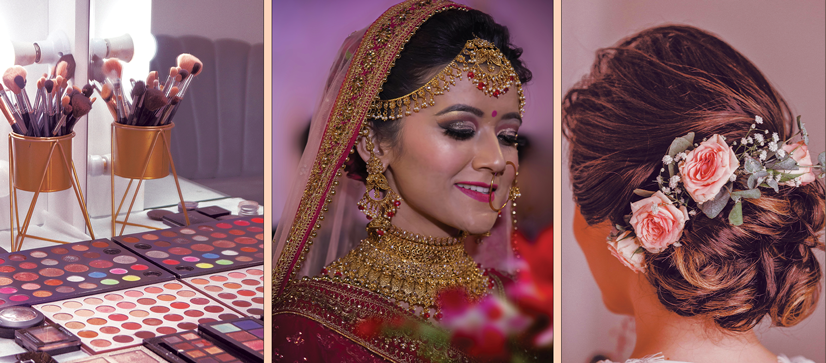
"My wedding is in three months. Should I get keratin? When do I colour? Is it too late for a new cut?"
The short answer: plan your bridal hair care in stages, counting back from your first function rather than the wedding day. Make big changes like colour, a new cut or a smoothing treatment four to eight weeks ahead. Keep the last two weeks for trims, root touch-ups and conditioning, and avoid new chemical treatments in the final week.
We hear some version of this question from brides every wedding season. Below is how the plan works in practice, and how to adjust it for your hair type, your city and the number of functions on your calendar.
Why Timing Matters More Than the Treatment Itself
Almost every hair service looks a little different on day one than it does two weeks later. Colour softens after a few washes. Smoothing treatments can make hair look flatter for the first several days. A fresh cut needs time to settle, and you need time to learn how to style it.
If everything is booked into the last fortnight, you see your hair at its least settled, with no room to correct anything. Spacing services out gives each one a chance to settle and gives your stylist room to fine-tune.
Count back from your first function, not the wedding date. A mehendi, haldi or sangeet a few days before the muhurtham is still a day you will be photographed.
Your Bridal Hair Timeline at a Glance
| When (before first function) | What to do |
|---|---|
| 3 to 6 months | Consultation, hair history, start a conditioning plan |
| 2 to 3 months | Hair trial, big colour changes, new cut |
| 4 to 6 weeks | Smoothing or keratin, if you want it |
| 2 to 3 weeks | Light trim, toner or gloss |
| About 1 week | Root touch-up (after a 48-hour patch test) |
| Final days | Optional Fusio Dose conditioning; no new chemical services |
Three to Six Months Before: Consultation and a Plan
This is the time to sit down with a stylist and talk about the whole wedding, not one service.
Bring:
- The number of functions and their dates
- Photos of the looks you are considering for each one, with the outfit and jewellery if you have them
- An honest history of your hair: past colour, henna, smoothening, rebonding or home treatments
That last point matters more than most brides realise. Henna and some box colours can affect how salon colour and lightening take, so your stylist needs to know before planning anything. If your hair carries a lot of old colour or henna, this is also the time to discuss whether corrective work is needed, because it may take more than one sitting.
If your hair is dry, chemically treated or breaking, start a regular conditioning plan now. In-salon treatments help hair look and feel better over a series of visits, so starting early gives you more to work with by the wedding. They improve how hair looks and handles; they do not permanently reverse damage, and a good stylist will be honest with you about that.
If you notice thinning or sudden hair fall, see a dermatologist rather than relying on salon treatments alone. Stress, diet changes and hormones can all play a part, and a doctor can check for causes a stylist cannot.
Two to Three Months Before: The Trial, Big Colour Changes and Your Cut
Book your hair trial

A trial two to three months out leaves time to change direction if something does not feel right. Use it to test how a style holds through the hours you will actually wear it, not just how it looks in the mirror. Our post on whether bridal hair and makeup trials are worth it covers what to bring and expect.
At Vurve Salon, bridal hair trials are available at selected outlets where our makeup artists are based. Our bridal team will tell you which salon to book when you plan your wedding looks with them.
Bring the real accessories. A heavy gajra, a maang tikka, a matha patti or a dupatta pinned to the hair all change how a style needs to be built underneath. A bun that looks perfect on its own can sag under fresh jasmine by evening.
Make big colour decisions now
If you want a noticeable change, such as balayage, highlights or a move from dark to lighter brown, aim to do it around six to eight weeks before your first function. This gives you:
- Time to see how the colour settles after a few washes
- Room for a toning or correction appointment if needed
- A chance to see the colour in daylight and in photos before the wedding
Not sure which technique suits you? Our guide to balayage, highlights and global colour explains the differences on dark Indian hair.
If you have never coloured your hair, or are trying a new shade or brand, ask whether a skin allergy test is needed. Many colour manufacturers recommend one 48 hours before the service, because some reactions take that long to appear. At Vurve Salon, we carry out a 48-hour patch test before hair colour to check for any skin reaction, so plan for it at least two days before your colour appointment.
Settle on your cut
If you want layers, a fringe or a shorter length, do it at this stage. A new cut needs time to grow in slightly, and you need time to get used to styling it. Many bridal updos and braids also need a certain length or weight to hold, so check with your stylist that the cut you want will still work for the looks you have chosen.
Four to Six Weeks Before: Smoothing and Keratin Treatments
Keratin, smoothening and anti-frizz treatments are popular with brides, especially in humid cities like Chennai and Kochi. If you want one, this window usually works well. The hair has time to settle, the first washes are behind you, and you will know how it behaves before the functions begin.
Discuss these points with your stylist first:
- Updos and curls. Smoothed hair is sleeker and can be more slippery, so some styles may need extra preparation to hold. If your looks rely on volume or long-lasting curls, say so before booking.
- Colour comes first. If you are colouring as well, colour is usually done before or on the same day as a keratin treatment.
- Aftercare. Most smoothing treatments have a setting period after the service and work best with sulfate-free shampoo. Make sure the aftercare does not clash with pre-wedding travel.
- What is in the product. The US FDA notes that some hair smoothing products release formaldehyde when heated. Ask what is being used. At Vurve Salon, we offer formaldehyde-free options, including products from Kérastase and Aveda, so ask your stylist which one suits your hair.
If you have never had a smoothing treatment, do not try one for the first time in the final two weeks. You want to know how your hair responds before the wedding, not during it. Read more in the keratin consultation we have 1,000 times a year.
Two to Three Weeks Before: Trim and Tone
Book a light trim to tidy the ends. This should be a maintenance cut, not a new shape. If your colour has turned brassy or dull, this is also a good time for a toner or gloss to refresh it.
About One Week Before: Roots and Conditioning
If you colour to cover greys or your regrowth shows, a root touch-up about a week before the first function usually gives the freshest result while leaving a few days for the colour to soften. Remember the 48-hour patch test, and book it at least two days before this appointment.
For a final boost, Kérastase Fusio Dose is an instant in-salon conditioning treatment that can be done as late as the day before your main function. It leaves hair soft and nourished with a little extra body, which is why many clients book it before an event.
The Final Days: What to Do and What to Skip
- Do not start any new chemical service, home colour or hair mask you have not used before.
- Do protect your hair from heat. Use a heat protectant if you blow-dry at home.
- Ask your stylist when to wash. Some hair holds a style better when washed the day before, while fine or oily hair often looks better washed on the day. Follow the advice from your trial.
- Plan for several looks. With back-to-back functions, ask which styles can follow one another without a full wash in between.
If Your Hair Is Curly, Fine or Very Thick
Not every bride needs the same plan.
- Curly hair: You do not have to straighten your hair for your wedding. Defined curls, half-up styles and textured buns can look beautiful. Ask for styles that work with your texture, and test them at your trial.
- Fine hair: Updos may need more preparation, padding or extensions for volume. Smoothing treatments can make fine hair look flatter, so discuss this before booking one.
- Very thick hair: Styles may take longer to set, and pins carry more weight. Allow extra time on the day and test the hold during your trial.
A Note for Grooms
Grooms benefit from a plan too, just a shorter one.
- Four to six weeks before: Decide on your haircut and beard shape, so there is time to grow in if needed.
- One to two weeks before: Get the final haircut. Very short styles and fades may need a quick tidy closer to the day.
- A few days before: Beard shaping and grooming.
- If you colour: Book colour about a week before, after a 48-hour patch test.
Questions to Ask Your Stylist
- How many sittings will my colour plan need, and what happens if I want to change it?
- Will a smoothing treatment affect the styles I have chosen?
- What should I avoid at home in the weeks before the wedding?
- Can you plan my looks so one function flows into the next?
- What should I bring to my trial?
Planning Your Bridal Hair With Vurve Salon
At Vurve Salon, our stylists can help you plan colour, texture and styling around your functions, and our makeup team offers bridal and trial makeup. Every bride's hair and calendar are different, so the best place to start is a consultation. Bring your dates, your inspiration photos and your hair history, and we will help you build a timeline that works.
Book a bridal hair consultation or find your nearest Vurve Salon. You can also explore our hair colouring, hair texture treatments and bridal makeup.
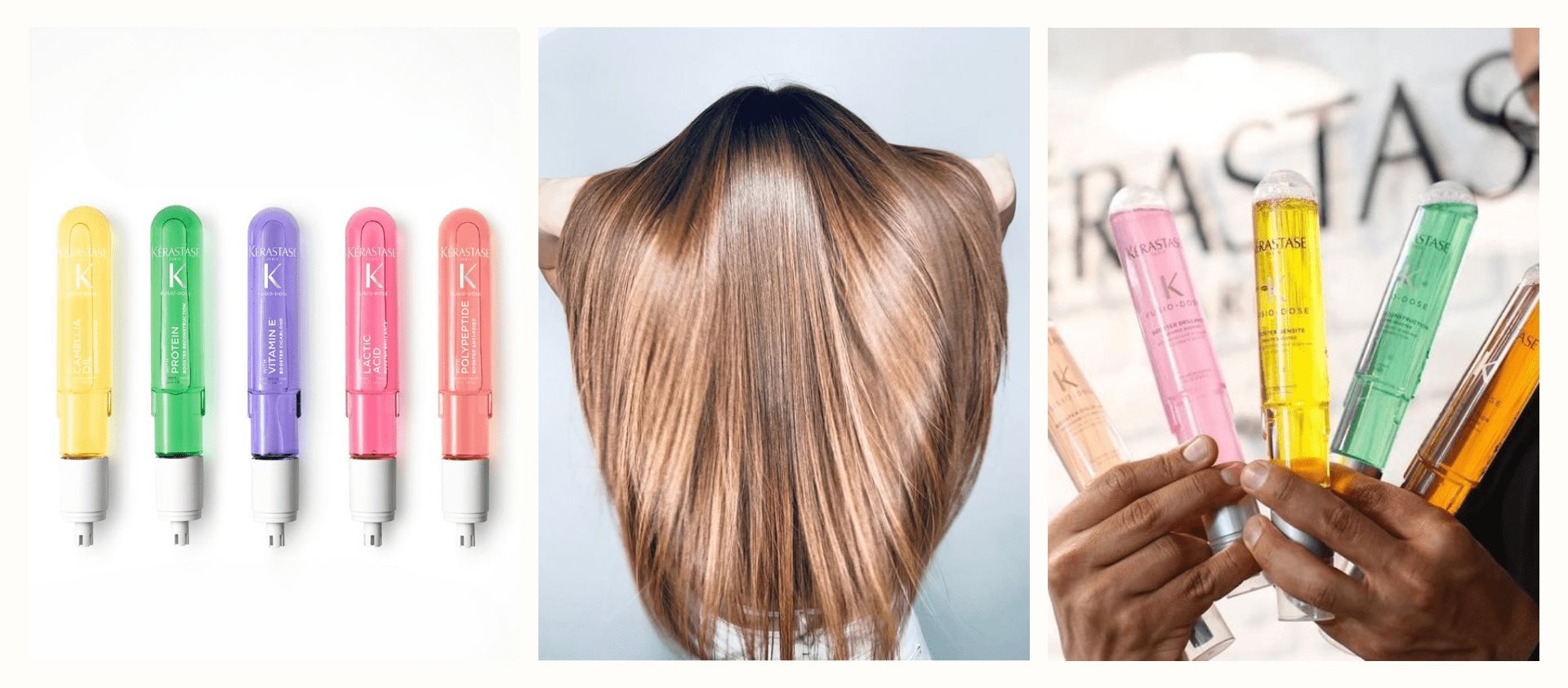
Kerastase Fusio Dose is a custom-blended, in-salon hair treatment that handles two hair concerns in one application. Your stylist picks one concentre and one booster after a diagnosis, and the mix goes on after your wash in under five minutes. You’ve tried the masks, the serums, and the weekend oiling, and your hair still won’t cooperate. A quick salon step can change that. The effect is difficult to describe. You notice it over the coming weeks, when your hair falls smoothly over your shoulders and bounces a little as you walk.
Key takeaways
- Fusio Dose is a Kerastase salon service and cannot be done at home.
- It combines 1 concentrate and 1 booster, with up to 30 possible combinations.
- The application takes under 5 minutes.
- Results last up to 5 washes, depending on your hair’s condition.
1. How Does Kerastase Fusio Dose Work?
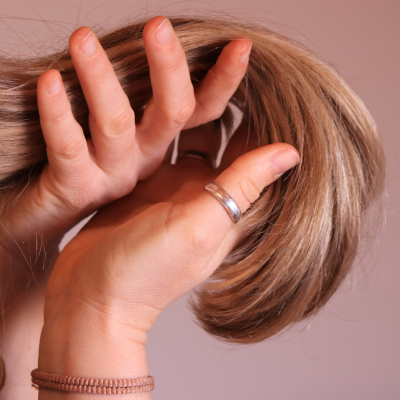
Kerastase Fusio Dose blends one concentrate and one booster into a custom liquid mix, chosen after a hair diagnosis, so two concerns are treated in a single application. The idea is simple. Instead of one product for everyone, the treatment creates a formula for your hair alone. Here’s what goes into it:
- 6 concentres
- 5 boosters
- Up to 30 different combinations
2. What Is the Difference Between a Concentrator and a Booster?
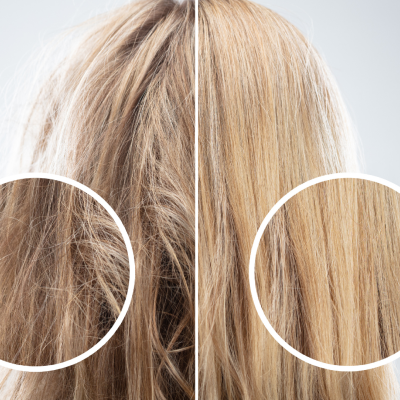
The concentre addresses your primary hair concern. The booster treats your secondary one.
- Concentre: a highly concentrated vial that covers several needs at once.
- Booster: packed with active ingredients that work on the hair’s inner fiber structure, giving nourishment you can feel right away and that keeps going after you leave.
Kerastase says its molecules are up to 100 times smaller than those in a traditional haircare product, which is why this behaves differently from a regular mask. (Source)
3. What Happens During a Fusio Dose Treatment at the Salon?
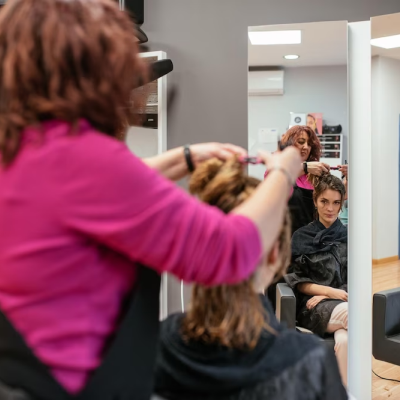
A Fusio Dose visit has two steps: a diagnosis, then a quick application after a gentle wash.
Diagnosis: Good results start with a proper diagnosis.
Your stylist will:
- Ask about your concerns, lifestyle, and hair care habits
- Check your scalp closely.
- Explain what they found and choose the concentre and booster that suit you best
Application: This is the easy part.
- You get a gentle hair wash.
- The Fusio Dose mix is sprayed onto your hair.
- It takes under 5 minutes, and you can see the difference immediately.
4. How Long Does Kerastase Fusio Dose Last?
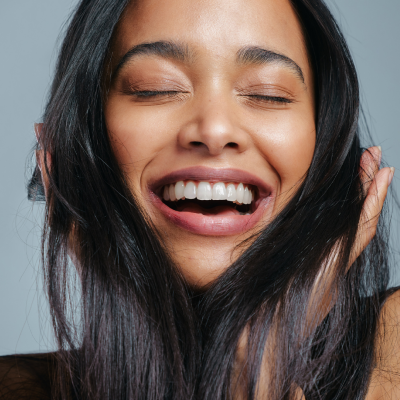
Fusio Dose results last up to five washes, depending on your hair’s condition. That figure comes from Kerastase. Aftercare still matters. Ask your stylist which Kerastase home-care products pair with your mix, and use them as advised so the finish holds as long as possible.
5. Can You Do Kerastase Fusio Dose at Home?
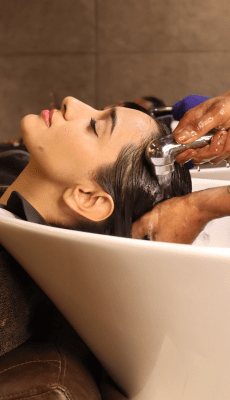
No. Fusio Dose is a Kerastase-exclusive salon service and cannot be done at home. The formula depends on a professional evaluation of your hair, and the wrong pairing wastes the treatment. Your hair deserves a few careful minutes, and Vurve Salon is the perfect place to spend them. Leave the blending to us and relax.
Who Should Get a Fusio Dose Treatment?
Fusio Dose suits anyone whose hair feels dull, dry, frizzy, or color-tired. Kerastase positions it for all hair types.Stylists commonly recommend it for:
- dryness and breakage
- frizz
- color damage
- dullness
- brassiness in blonde hair
Your diagnosis decides the exact mix, so book a consultation rather than guessing which concentre you need.
Fusio Dose vs Hair Mask: What Is the Difference?
A mask is a general product that you apply yourself. Fusio Dose is a diagnosed, custom-blended salon service.
|
|
|
|
|
|
|
|
|
|
|
|
|
|
|
|
|
|
|
|
Kerastase Fusio Dose is worth a visit if your hair needs a quick, targeted fix without a long salon sitting. One concentrate and one booster, chosen after a proper diagnosis, address two concerns at once. The application takes under five minutes, and the results last up to five washes. It isn’t a replacement for your regular hair care. It’s a sharp boost on top of it, and it works best when your stylist matches the formula to your hair rather than the other way around.
Book Your Kerastase Fusio Dose at Vurve Salon
Not sure which concentre and booster suits your hair? Our stylists will assess your hair concerns and create a personalized mix for you while you relax in the chair. Book an appointment at your nearest Vurve salon and ask for a Kerastase Fusio Dose consultation.
Key Takeaways:
- Discover the hidden reason why your hair texture might actually be mismatched with your current hair treatments, leaving you with limp, flat results instead of natural bounce.
- Explore the strict 72-hour rules, including a specific habit that can accidentally ruin your keratin treatment results during the first few days if ignored.
- Read about how Vurve offers personalized consultations depending on your hair texture and lifestyle and offers customized keratin treatments
If you walk into any Vurve Salon on a humid Tuesday afternoon, chances are you will hear a variation of this exact conversation happening in at least three styling chairs:
Client: "My hair is completely unmanageable. It frizzes the second I step outside; it takes me 45 minutes to blow-dry, and I’m ready to chop it all off. Can we just do a keratin treatment?"
Vurve Stylist: "We can absolutely give you gorgeous, smooth hair, but first, let’s talk about what keratin actually does, because it might not be what you think."
We have this exact consultation more than a thousand times a year across our salons in Chennai, Kochi, Hyderabad, and Bangalore. It is easily our most requested smooth-hair service, but it is also the most misunderstood.
At Vurve, we don't believe in just applying a treatment and sending you on your way. We believe in transparency. So, let’s pull back the curtain on the conversations our expert stylists have every single day and give you the real, medically and structurally accurate facts about keratin.
The Reality Check: Is Keratin a Straightening Treatment

This misconception is the number one myth we bust daily.
No! Keratin is not a straightening treatment.
If you are looking to get bone-straight, pin-straight hair that looks like it is flat-ironed and traditional, keratin is not your answer. That is chemical straightening or rebonding, which permanently alters the internal bonds of your hair. Keratin is a smoothing, de-frizzing, and rebuilding treatment. Your hair is naturally made up of up to 90% keratin protein. Over time, due to UV exposure, hard water, heat styling, and pollution, this protein gets depleted. Your hair cuticles lift up, moisture escapes, and atmospheric humidity rushes in, causing the hair shaft to swell. That is what we call frizz. A keratin treatment is like a high-performance spackle for your hair. It fills in those structural gaps, coats the cuticle, and seals it shut. Keratin treatment can be customized for both men’s hair and women’s hair.
What Actually Changes in My Hair in a Keratin Treatment?
-
Your Curls: If you have curly or wavy hair, keratin will relax the curl pattern slightly (making it looser and more elongated), but it won't erase it.
-
Your Blow-Dry Time: This is where the magic happens. It cuts your drying and styling time down by 50% to 60%.
-
The Frizz Factor: It creates a hydrophobic barrier. Rain, humidity, and sweat won't instantly ruin your hair anymore.
The Comparison: Keratin vs. Other De-Frizzing Systems
To help you understand where keratin sits in the hair care universe, here is a breakdown of how it compares to other popular salon texture services:
|
|
|
|
|
|
|
|
|
|
|
|
|
|
|
|
|
|
|
|
|
|
|
|
|
|
|
|
|
|
Real Life: The "Monsoon Meltdown" Turned Manageable
Meera, a corporate consultant who came to our salon last June, completely at her wit's end.
"I have a 15-minute walk from the metro station to my office lobby. I spend 30 minutes flat-ironing my hair every morning, but the moment I step out into the humidity, it completely poofs. I look disheveled before my first morning meeting even starts. It is genuinely affecting my professional confidence."
Meera thought her only option was permanent chemical straightening. However, when our senior stylist assessed her hair texture under the diagnostic lights, we realized her hair was highly porous and chemically sensitized from previous global highlights. A permanent chemical straightener would have caused severe breakage.
Instead, we recommended Vurve’s customized keratin treatment. We restored the lost protein to her highlighted strands and sealed the cuticles. Three weeks later, Meera sent us an update: "I just traveled for a conference, rough-dried my hair with a basic hotel dryer for 8 minutes, and it looked like a sleek, professional blowout. I’ve completely reclaimed my morning routine."
The Critical Post-Care Routine after Keratin Treatment
What you do after you leave the comfort of our salon chairs determines whether your treatment lasts for five glorious months or vanishes in just five weeks. During our consultations, we emphasize that post-care is a partnership between you and your stylist.
The Sacred 72-Hour Setting Phase
Depending on the specific premium formulation we select for your hair, there may be a 48-to-72-hour "setting window." During this time, the keratin coating is still settling into its final shape.
No indents: You must avoid putting your hair in a ponytail, using claw clips, wearing headbands, or even tucking your hair behind your ears.
Keep it dry: Absolutely no moisture; this means wearing a high-quality shower cap during baths and avoiding steamy environments. If your hair accidentally gets wet or develops a kink, simply run a flat iron over that section immediately on low heat.
The Gym, Sweat, and Fitness
We get asked these questions constantly: "I work out every single day. Can I still get keratin?" Yes, you can, but you need a strategy. Sweat contains natural salts that can prematurely wear down the keratin barrier.
- The Pre-Workout Trick: Apply a lightweight, sulfate-free dry shampoo to your roots before your workout to absorb sweat as it happens.
- The Post-Workout Rule: As soon as you finish your workout, do not leave your sweat to dry into your hair. Blast your roots with a blow-dryer on a cool or medium setting to evaporate the moisture instantly.
Swimming and Vacation Tactics
Chlorine in swimming pools and sodium chloride in seawater are the ultimate enemies of keratin. They act like harsh detergents, stripping away the protective protein coating. If you are heading on vacation or love the pool, obey this golden rule: Drench your hair with clean tap water and apply a generous coat of leave-in conditioner before you step into the pool or ocean. Your hair acts like a sponge; if it is already saturated with clean water and conditioner, it cannot absorb the damaging salt or chlorine.
What Happens When My Hair Regrows? Will it be awkward?
One of the most beautiful aspects of a keratin treatment is its exit strategy. When you get permanent chemical straightening, your hair eventually grows out, leaving you with an awkward, frustrating contrast: puffy, curly roots meeting pin-straight, flat lengths. It forces you into a cycle of constantly needing root touch-ups. Keratin does not do this. Because it sits on the outer layers and fills the gaps of the hair fiber, it slowly, progressively, and evenly washes out over a span of 12 to 16 weeks. Your hair will simply and smoothly transition back to its natural texture. There are no harsh lines of demarcation, no weird textures, and absolutely no awkward phases. It gives you total freedom over your hair journey.
The Vurve Safety Protocol: Customization is Key
You might have read stories online about keratin treatments containing high levels of harsh chemicals or causing hair fall.
Here is why a Vurve Keratin Consultation is different from others:
- At Vurve Salon, we only use premium, globally approved, safety-tested formulations. We offer completely formaldehyde-free options for sensitive clients and pregnant or nursing mothers (though we always recommend checking with your doctor first!).
- Temperature Modulation: The most critical step of a keratin treatment is flat-ironing the product into the hair to lock it in. If a stylist uses a standard 230°C iron on fine, bleached hair, the hair will snap. Our stylists are trained to adjust the heat based on your specific hair thickness and damage level.
- The Scalp Barrier Rule: Keratin belongs on the hair shaft, never the scalp. Our precise application ensures your hair follicles remain completely untouched and healthy.
Are You Ready for Effortless Hair?
You don't have to fight your hair every single morning. You don't have to let the humidity dictate your hairstyle or your mood. When you book a keratin consultation at Vurve Salon, we sit down with you, analyze your hair texture under the lights, check its elasticity, and give you an honest roadmap to the best hair of your life. No surprises, no unrealistic promises, just gorgeous, healthy, wake-up-like-this hair.
Ready to reclaim your mornings? Book your personalized keratin consultation at your nearest Vurve Salon today.
We all know the daily struggles we face with our hair–be it hair fall, frizziness, greasy hair, or just the old ‘’bad hair day.’’ The pollution, heat styling, and color treatments that we do now and then just add to our hair issues. And then when we notice our hair troubles increasing it makes us say things like ‘’I need an emergency hair appointment’’ or ‘’I need to switch up my hair routine.’’
At this stage, you start looking for hair treatments with the hope that they will bring your hair back to life. Well, you won’t be disappointed, because such treatments are available. The three most popular treatments–Botoplexx, Bototliss, and BTR (Brazilian Thermal Reconstruction) are exactly the ones that will leave your hair hydrated, smoother, and stronger.
Curious about what these treatments are and what they do? Let’s dive in to find out how these treatments can tackle your hair’s damage, frizz, and weakness.
Botoplexx Treatment
A Botoplexx treatment is a deep-repair treatment that consists of Botox (anti-ageing), collagen (repair), and plex (anti-hair breakage) to nourish and heal your hair from the inside out. It has strengthening and hydrating properties that work on damaged, fragile, and dull hair.
How does it work?
It works by penetrating deep into the hair shaft and repairing the damage caused by heat styling, pollution, and coloring treatments.

The formula of this treatment consists of:
➨ Glycolid acid: It strengthens, prevents breakage, and maintains moisture in your hair
➨Amodimethicone: Reduces frizz, improves texture, and makes hair soft and smooth
Here is what this treatment has to offer for your gorgeous locks:
Restore the elasticity and strength of your damaged hair and reduce breakage
Deeply hydrate, leaving each strand soft and silky
Forms a protective barrier, guarding your hair from further damage
Leaves your hair with a smooth and glossy finish
Botoliss Treatment
A Botoliss treatment is perfect for all hair types and textures. It smoothens and controls frizz, along with reducing split ends and breakage, and transforms the hair into smooth and manageable without disturbing the natural volume of the hair.
How does it work?
This treatment works by smoothening the hair cuticles and shafts, reducing frizz, and creating a sleek and shiny finish. It also tames curls, seals in moisture, and makes your hair smooth.

The key ingredients of this treatment include:
➨ Citrus extracts: To rebuild the natural texture, and hydrate
➨ Hydrolyzed Keratin: Strengthens, nourishes and revitalizes your hair
➨ Aloe vera: Moisturizes and has a conditioning effect on the hair
Why will your hair love this treatment?
It tames frizz, flyaways, and reinforces weakened bonds
Adds shine and smoothness to your hair without making it greasy
Is a safer alternative to smoothening treatments
BTR (Brazilian Thermal Reconstruction) Treatment
The BTR treatment is the one that focuses on repairing the internal structure and strengthening the hair. It can be used on any hair type and provides a frizz-free, soft, and shiny look.
How does it work?
This treatment targets and repairs the hair shaft that could be broken due to styling, coloring, or other hair treatments. It replenishes and strengthens these bonds, restoring the hair’s natural strength.

The essential ingredients in this treatment are:
➨ Bond-Repairing Technology: Rebuild the broken disulfide bonds
➨ Keratin: To smoothen, add strength, and reinforce the hair structure
➨ Amino acids: Restores moisture and improves elasticity
What does your hair get from this treatment?
Strengthens your hair, reduces breakage and split ends
Restores your hair’s natural softness, adds natural shine, and promotes healthier hair
Choosing the Right Treatment for Your Hair
Choosing the right hair treatment for your hair would depend on factors like the condition of your hair and the damage level. Here is a breakdown of the same to help you choose which treatment would work for you:
Botoplexx treatment: Ideal for dry, damaged, and chemically treated hair
Botoliss treatment: Would work great for curly or frizzy hair
BTR treatment: Best for weak and damaged hair
When choosing any of the above treatments, consider the damage level, desired results, and maintenance. If you have dry hair, botoplexx would work great and if your hair is structurally damaged because of styling then the BTR treatment would be perfect. If you want a hair treatment that requires less touch-up and is low maintenance, then the botoliss treatment is the best option.

Why Choose Vurve for Your Hair Treatments
At Vurve, we treat your hair more than just hair, for us–it's a reflection of who you are and we are here to help you shine in every way possible. Whether you choose the nourishing Botoplexx, the sleek touch of Botoliss, or the transformative strength of the BTR treatment, our experts are here to pour all their skill and passion into every strand.
We don’t only offer treatments, but we also take time to understand the unique needs of your hair and offer our best guidance on treatments and their aftercare. So, why wait to fall in love with your hair? At Vurve, every day is a good hair day!
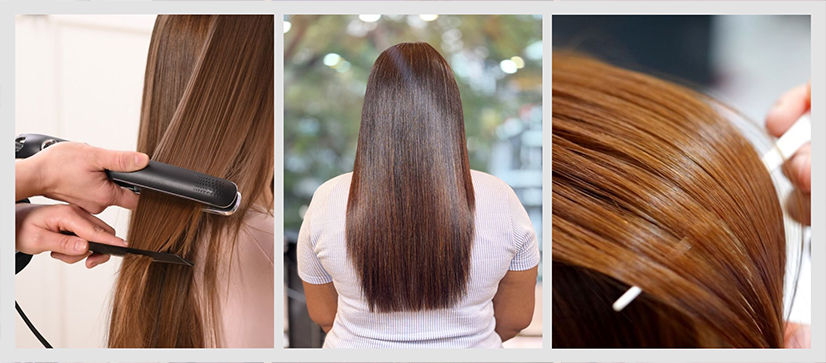
We all have those days when our hair just doesn’t play nice—frizz, split ends, and lacklustre locks. But what if we told you there's a way to smooth out those rough edges and restore your hair's glory forever?
Yes! Hair Botox treatment is the answer to your hair woes.
At Vurve, hair botox (K9 Botoplexx) starts at ₹7,000 for men and ₹11,000 for women, inclusive of GST. The exact price depends on hair length and is confirmed at your consultation.
What is Hair Botox?
Hair Botox is a non-chemical deep conditioning treatment designed to repair and restore damaged hair, leaving it smoother, shinier, and more manageable. Despite its name, it does not contain botulinum toxin (the ingredient used in Botox for skin). Instead, it’s called "Hair Botox" because it works similarly filling in gaps and repairing hair fibres, much like Botox smooths wrinkles.
This treatment strengthens and revitalizes hair by replenishing lost fibers, repairing damage, and eliminating frizz. Infused with a blend of vitamins, proteins, amino acids, and keratin, Hair Botox deeply nourishes each strand, bringing dull, lifeless hair back to life.
How does hair Botox work?

The hair Botox treatment typically starts with a thorough cleansing to remove any build-up or oils from your hair. After that, our stylist will apply the Botox solution, making sure every strand is coated.
Your hair is then left to soak in all the goodness for about 45 to 90 minutes, depending on the specific product used. Finally, your hair is mildly rinsed, and heat is applied in the form of blow drying the hair followed by ironing it in small sections which help seal the solution in.
Voila! Your hair is smooth, shiny, and ready to dazzle.
Benefits of Hair Botox Treatment


- Repairs damaged hair
Hair Botox rescues your damaged hair. It fills in the cracks, smooths out the rough edges, and makes your hair feel the best.
- Maintains Moisture
Hair needs moisture and hydration to stay healthy. Deep conditioning treatments like Hair Botox are the ultimate hydration systems, pumping in moisture and keeping those strands lush and elastic.
-
Prevents Hair Breakage
Hair botox infuses your hair with essential nutrients and proteins, helping to repair damage and restore vitality. By nourishing each strand from within, it can improve the overall health and resilience of your hair, reducing breakage and promoting growth.
- Restores shine and softness
If your hair looks a little dull and feels like straw, Hair Botox is here to bring back the bling! You'll be running your fingers through your hair all day, just because it feels so good.
- Manageable hair
With Hair Botox, those unmanageable hair days are over. Your hair becomes so much easier to manage. It behaves itself, stays where you put it, and doesn't turn frizzy at the first sign of humidity.
- Long Lasting results
Unlike other treatments that fade faster than a popsicle on a hot day, Hair Botox can keep your hair looking fabulous for weeks. We're talking 4 to 6 weeks of smooth, shiny, manageable hair. That's a whole lot of good hair days in a row.
Who can choose hair botox treatment?
If you're looking to restore health and vitality to your hair without harsh chemicals, hair Botox could be the perfect fit. You can opt for a hair Botox when you have problems like,
- Split ends
- Damaged hair
- Frizz and dryness
- Hair lacking volume or sheen
- Unmanageable hair
Preparation Steps for Hair Botox Treatment
To get the best results, it's important to prepare your hair properly.
1. Consult with Your Stylist
Your stylist can assess your hair type and texture to determine if the treatment is right for you. This is also a great time to ask any questions about the process and what to expect.
2. Avoid Heat Styling
For at least a week before your appointment, avoid using heat-styling tools like blow dryers, flat irons, and curling wands. This helps prevent additional hair damage and allows the treatment to work more effectively on healthy, untreated strands.
3. Wash Your Hair with a Clarifying Shampoo
On the day of your treatment, use a clarifying shampoo to remove any product buildup, dirt, or excess oil. This ensures that your hair cuticles are open and ready to absorb the formula. Skip the conditioner, as it may create a barrier that prevents deep penetration.
4. Dry Your Hair Until Damp
After washing, gently towel-dry your hair until it is damp but not soaking wet. This helps the treatment spread evenly and absorb better into the hair fibers.
Hair Botox Treatment for Different Hair Types
When it comes to Hair Botox treatments, one of its biggest advantages is it is suitable for all hair types. Whether your locks are straight, wavy, or curly, it is designed to cater to your specific needs.
- For those with straight hair, the treatment can work wonders in enhancing shine and managing flyaways, giving your hair that sleek, polished look.
- Curly hair types can benefit immensely as well. It tames frizz while preserving your natural curls, resulting in bouncy and beautifully defined waves.
- Wavy hair can also enjoy added moisture and protection, as the treatment combats dryness often associated with textured strands.
- Colour-treated hair receives special attention, as this treatment helps restore vitality and radiance while minimizing damage.
After Care To Keep Your Hair Glorious
To get the most out of your treatment, you'll want to follow some basic aftercare tips:
- Use Sulfate-Free Products. Harsh shampoos can strip away all the goodness that the treatment gave you, so stick to sulfate-free shampoos and conditioners.
- Minimal Hair Drying. While your hair will be more resistant to frizz, it is suggested to use a hairdryer on medium heat after every hair wash to activate the Botox product and remove the excess moisture thus giving a smooth appearance always. Use heat protectants before drying the hair as and when necessary.
- Regular Maintenance. Depending on your hair type, you might need to repeat the treatment every few months to keep your hair looking its best.
- Hydration Station. Your hair loves moisture, so keep it hydrated. Use a leave-in conditioner or hair oil to keep those strands silky smooth. Just don't go overboard.
Side Effects of Hair Botox Treatment
While Hair Botox is celebrated for its nourishing benefits, like any beauty treatment, it can come with some potential side effects. Some individuals may experience mild irritation or an allergic reaction to the proteins or other ingredients present in the formulation, characterized by redness, itching, or swelling on the scalp. It's essential to consult with your stylist before proceeding to identify any possible sensitivities and discuss whether it is the right choice for your hair.
Is Hair Botox the same as a keratin treatment?

Hair Botox and keratin treatments are two different hair treatments that serve distinct purposes. While both treatments aim to improve the condition and appearance of the hair, they work in different ways:
1. Hair Botox: Hair Botox is a deep conditioning treatment that helps to restore and repair damaged hair. It is called "Botox" because, like the cosmetic procedure, it aims to rejuvenate and revitalize the hair by filling in gaps and damage along the hair shaft. Hair Botox typically contains ingredients such as proteins, vitamins, and collagen that help to strengthen and moisturize the hair from within. This treatment can be beneficial for those with dry, damaged, or frizzy hair looking to improve its overall health and appearance.
2. Keratin Treatment: Keratin treatments are designed to smooth and straighten the hair by coating it with a protective layer of protein (keratin). Keratin treatments are often recommended for individuals with curly or wavy hair who want to achieve smoother and straighter results.
In summary, Hair Botox focuses on repairing and restoring damaged hair from within, while keratin treatments focus on smoothing and straightening the hair's external structure. Both treatments can improve the look and feel of your hair, but they target different concerns and offer distinct benefits.
FAQs
How much does hair botox cost at Vurve?
Hair botox (K9 Botoplexx) at Vurve starts at ₹7,000 for men and ₹11,000 for women, inclusive of GST. The final price depends on hair length and is confirmed at your consultation.
Is hair botox suitable for all hair types?
It's suitable for all hair types, including curly, wavy, straight, and colour-treated hair. If you want to smoothen your hair and combat your hair damage, hair botox treatment would be a perfect choice. For all the curly and wavy hair beauties, this treatment will not eliminate your natural curls, rather it tames frizz, for a more controlled and smooth appearance.
What is the duration of the process?
The entire treatment takes about 2 to 3 hours, which also depends on the length and thickness of your hair.
How effective is hair botox?
Our clients find the effects of hair botox to last between 8 to 12 weeks with proper home care, although the exact time frame may vary from person to person. Regularly using hydrating products such as hair masks and strengthening shampoos & conditioners can maximize the effectiveness of the treatment.
How frequently should I botox my hair?
The frequency of hair botox treatments depends on a few factors, like your hair type, the condition of your hair, and how quickly it grows. So, a good rule of thumb is to get it done every 8 to 12 weeks.
Does Hair Botox straighten the hair?
It doesn’t primarily straighten your hair. The Hair Botox treatment helps to smoothen out your locks which can result in a sleeker and more manageable texture.
Can hair botox treatment be done on colored or chemically treated hair?
Yes, hair botox can be used on colored or chemically treated hair. In fact, it's often recommended for people who have damaged hair from coloring, bleaching, or other chemical treatments.
Is the treatment safe for pregnant or breastfeeding women?
Hair botox is generally considered safer than some other hair treatments because it doesn't contain formaldehyde or other harsh chemicals. However, when it comes to pregnancy and breastfeeding, consult with your healthcare provider and discuss the ingredients used in the specific hair botox product to ensure it's safe for you and your baby.
What is better, hair Botox or keratin?
Both hair Botox and keratin treatments have their own benefits depending on your hair needs. Hair Botox is a deep conditioning treatment that helps to restore and rejuvenate damaged hair, adding shine and smoothness. On the other hand, keratin treatments are great for reducing frizz, increasing manageability, and improving the overall texture of the hair. The choice between the two would depend on your specific hair concerns and desired results.
Is hair Botox treatment safe?
Hair Botox treatment is generally considered safe when performed by a trained and experienced professional. It is important to consult with a qualified stylist or dermatologist before undergoing hair Botox treatment to ensure that it is suitable for your hair type and any existing scalp conditions you may have.
How Long Does it Take to See The Results of Botox Treatment?
The results of hair treatment can vary depending on the specific product used and your hair type, but you may start to see smoother, more manageable hair immediately after the treatment, with results lasting for several weeks to months. It's important to follow any post-treatment care instructions provided by your practitioner or stylist to optimize and maintain the results.
So go ahead and book an Appointment with Vurve today to give your hair the TLC it deserves. Flip your hair with confidence in no time
Being a hairstylist, I completely count on Olaplex treatment prior to any sort of chemical treatment on my tresses. But the million-dollar question I’ve been asked a lot is, “Which one is the best, Olaplex treatment or Fusio- dose Treatment?”. Therefore, I would love to take up this chance of explaining the importance of each hair treatment and the differences between the two which will aid you in zeroing the ideal one that would be the most efficient for your hair type.