"I'm tired of colouring my roots every few weeks. Is there a way to stop hiding my greys without looking like I've given up?"
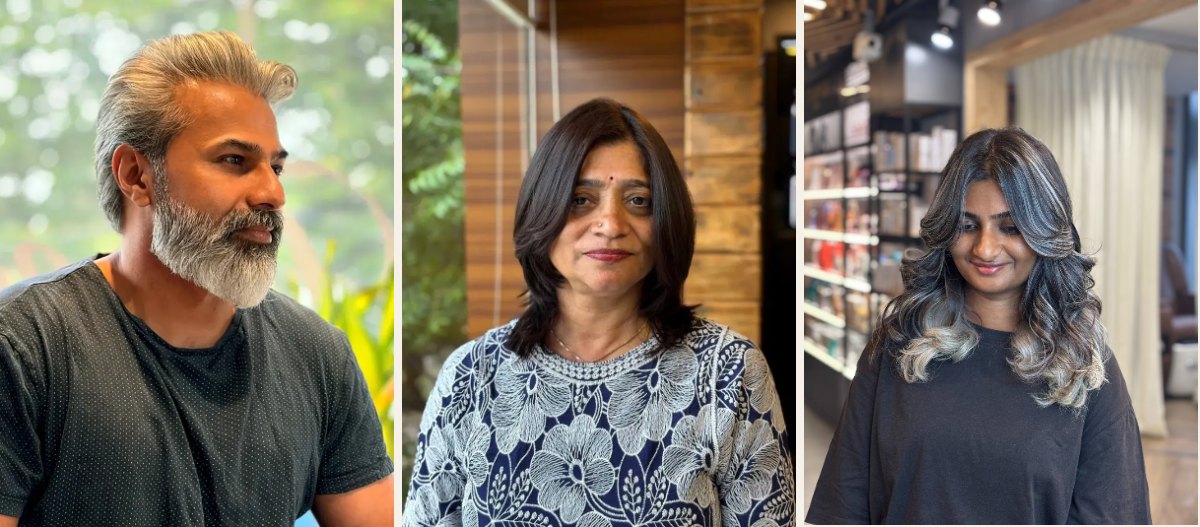
Grey hair blending uses highlights, lowlights or a sheer gloss to soften the contrast between your greys and your natural colour, so they look like part of a multi-tonal shade rather than a regrowth line. It suits people with scattered to moderate greys who want fewer touch-ups. For full, even coverage, a root touch-up or global colour still works better.
What Is Grey Hair Blending?
Covering greys means hiding them: the colour goes on from root to tip in one shade, and the greys disappear until they grow back. Grey blending works the other way. Instead of hiding the greys, your colourist works around them so they become part of the colour.
A colourist usually combines a few techniques, depending on your hair:
- Highlights or babylights: fine, lighter strands that sit close to the shade of your greys, so new grey growth blends in rather than standing out.
- Lowlights: darker strands woven back in, which add depth and stop the overall result from looking flat or washed out.
- Translucent gloss: a sheer colour that softens greys to a silvery or beige tone without fully covering them, and fades gradually.
The aim is not to make you look grey or to make you look younger. It is to make your greys look intentional and to make regrowth far less noticeable.
Grey Blending, Grey Coverage or Going Natural?
| Grey blending | Root touch-up or global colour | Going fully natural | |
|---|---|---|---|
| Look | Multi-tonal, soft, greys still visible | One even shade, greys hidden | Your natural mix of grey and pigment |
| Regrowth | Soft, gradual | A visible line as greys grow in | None |
| Upkeep | Every few months, depending on technique | Usually every four to six weeks | Haircuts and care only |
| Best for | Scattered to moderate greys, low-maintenance goals | Anyone who wants greys fully hidden | Anyone happy with their natural grey |
These are general guides. How fast your hair grows, how much grey you have and the contrast you choose all change the numbers.
Who Grey Blending Suits
Grey blending works best when:
- Your greys are scattered or moderate, roughly 10 to 50 percent of your hair. With fewer greys there is little to blend, and with more, coverage or embracing your natural grey may suit you better.
- You want fewer salon visits. A soft regrowth means you can usually go longer between appointments than with full coverage.
- You like a natural, dimensional look rather than one solid shade.
On dark Indian hair
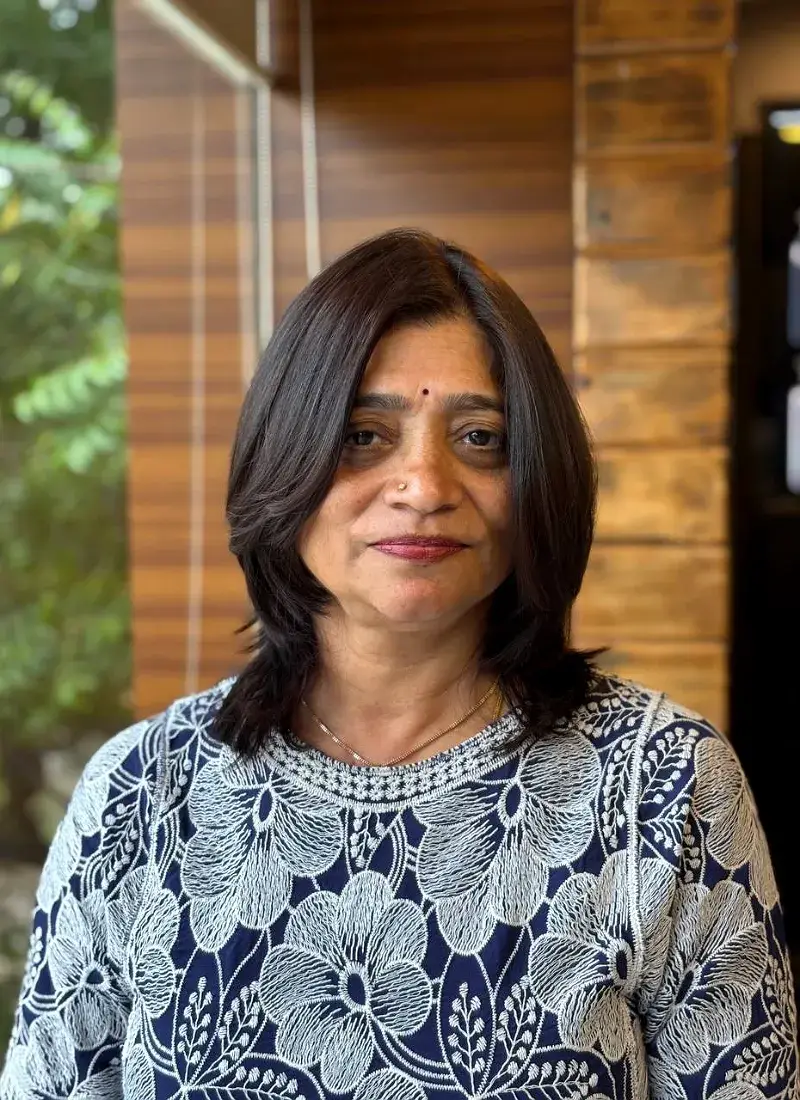
Most Indian hair is naturally dark brown to black, and white or silver greys stand out sharply against it. That contrast is what makes regrowth so visible after global colour. Blending reduces it by bringing some of your hair closer to the shade of your greys, often with soft caramel, beige or ash-brown tones. Lightening dark hair does reveal warm tones on the way, so a toner or gloss is often part of the plan. Our guide to balayage, highlights and global colour explains how lightening works on dark hair.
When coverage may be the better choice
- You want your greys completely hidden, for example for a specific event.
- You have a lot of grey and want to keep a single dark shade.
- Your hair has a long history of henna or box colour. Henna can affect how lightener and salon colour take, so tell your colourist about it at the start. Removal may be needed first.
Grey Blending for Men

Many men notice greys first at the temples and in the beard. Blending can soften these so they look like natural salt and pepper rather than patches, without the flat, uniform look that can come with full coverage. Vurve Salon's menu also lists beard colour, moustache colour, and beard and moustache colouring, which your stylist can plan together with your hair so the shades match. Some men decide to keep their grey and simply groom it well. A good cut and beard shape make natural grey look deliberate too.
What Happens at the Appointment
- Consultation. Your colourist looks at how much grey you have, where it sits, your natural shade and your colour history, and talks through how much upkeep you want.
- Patch test. At Vurve Salon, we carry out a 48-hour patch test before hair colour to check for any skin reaction, so plan for it at least two days before your appointment.
- The colour. Depending on your plan, this may be highlights, lowlights, a gloss or a combination. Expect it to take longer than a root touch-up.
- Finishing. A toner or gloss often sets the final shade and softens any warmth.
If you are moving from years of global colour, blending may take more than one sitting, because colour does not lift colour easily. Your colourist will tell you what is realistic in the first visit.
How Often You Need to Come Back
Because regrowth is soft, many people come back every few months rather than every few weeks. A gloss or toner fades sooner than highlights, so you may book a quick refresh in between. Your colourist can suggest a schedule based on your hair growth and the look you want.
Caring for Blended and Grey Hair at Home
- Use colour-safe shampoo and conditioner, and wash a little less often if your scalp allows it.
- Watch for yellowing. Grey and lightened hair can pick up a yellow or brassy tinge. A toning shampoo, used as your colourist suggests, can help keep the tone clean.
- Protect from sun and heat. The American Academy of Dermatology notes that sun can make dyed hair weak, dry and faded. Use a heat protectant before styling.
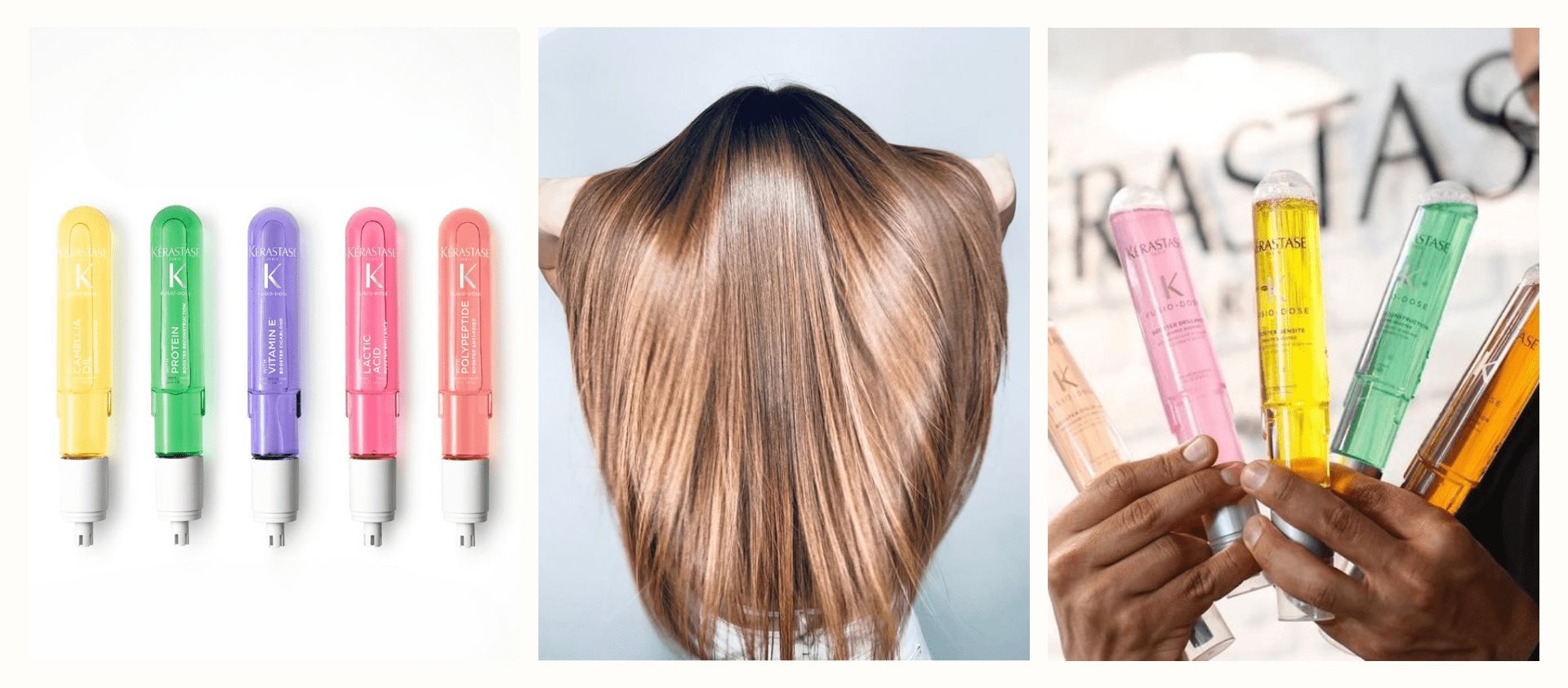
- Condition regularly. Grey hair can feel coarser or drier. An in-salon treatment such as Kérastase Fusio Dose adds softness, and can be done as late as the day before an event.
Questions to Ask Your Colourist
- How much of my hair is grey, and is blending the right choice for that amount?
- What shades will you use, and how will they look as my greys grow in?
- How many sittings will it take if I currently use global colour or henna?
- How often should I come back, and what should I use at home?
- What will my hair look like in two months?
Explore Grey Blending at Vurve Salon
Whether you want to soften your greys, cover them or start embracing them, the best first step is a conversation with a colourist who can see your hair in person. At Vurve Salon, our colourists can help you choose an approach that suits your hair, your routine and how much upkeep you want.
Book a colour consultation or find your nearest Vurve Salon. You can also see our hair colouring services and men's grooming services.
Frequently asked questions
1. Does grey blending cover all my greys?
No. Blending softens greys so they fit into your colour, but some grey still shows by design. If you want every grey hidden, a root touch-up or global colour is the better option.
2. How long does grey blending last?
Highlights and lowlights stay until they grow out or are cut, so the effect fades gradually. A gloss or toner fades sooner. Many people refresh every few months, depending on the technique and how fast their hair grows.
3. Can I try grey blending if I have used henna?
Often yes, but henna can affect how lightener and salon colour take. Tell your colourist about your henna history, as removal or a gentler plan may be needed first.
4. Is grey blending damaging?
Highlights involve lightener, which can dry the hair, so conditioning and the right aftercare matter. Gloss-based blending is gentler. Your colourist will check your hair's condition before suggesting a plan.
5. Can men blend grey in their beard too?
Yes. Vurve Salon's menu includes beard colour and moustache colour, and your stylist can match these to the colour on your hair.
Popular Post
Everything You Need To Know About Keratin Treatment
August 7, 2019
Hair Botox Treatment: Everything You Need To Know
June 28, 2024
- Categories
- Bridal Makeup (4)
- Buzz (7)
- Vurve Academy (5)
- Hair (23)
- Hair Care (9)
- Hair Colour (5)
- Hair Cut (4)
- Men's Grooming (3)
- Men's Skincare (2)
- Nails (3)
- Semi Permanent Makeup (1)
- Skin (10)
- Aesthetics (7)
- Uncategorized (2)
- Vurve Salon (6)