Ask most people what a hairdresser's career looks like, and you'll probably get the same tired image. A neighborhood salon, a pair of scissors, and limited opportunities for growth. That picture is badly out of date. India's beauty and personal care market has crossed $30 billion and continues to grow at more than 10% a year (Source), and hairdressing services sit right in the middle of that spending.
Clients aren't walking in asking for "just a trim" anymore. They're asking for balayage, keratin smoothening, hair Botox, and bridal transformations; they've already researched them on Instagram, and they're willing to pay for it. That shift has quietly turned the hairdressing course in India from an afterthought into one of the fastest, most practical routes into a well-paying, creative career. It also helps that the path doesn't demand years of waiting before it pays off. Most professional routes in India need a multi-year degree before the first real paycheck shows up. Hairdressing usually needs a matter of weeks, which is why it's pulling in such a wide mix of people right now: fresh 12th-grade graduates, homemakers returning to work, and professionals ready for a hands-on career change.
If you're searching for a hairdressing course for beginners with no experience or trying to work out whether a hairdressing career after 12th actually makes sense, this guide covers all of it. The career paths, the training route, the fees and ROI, and the real salary numbers at each stage.
Is Hairdressing a Good Career in India in 2026?
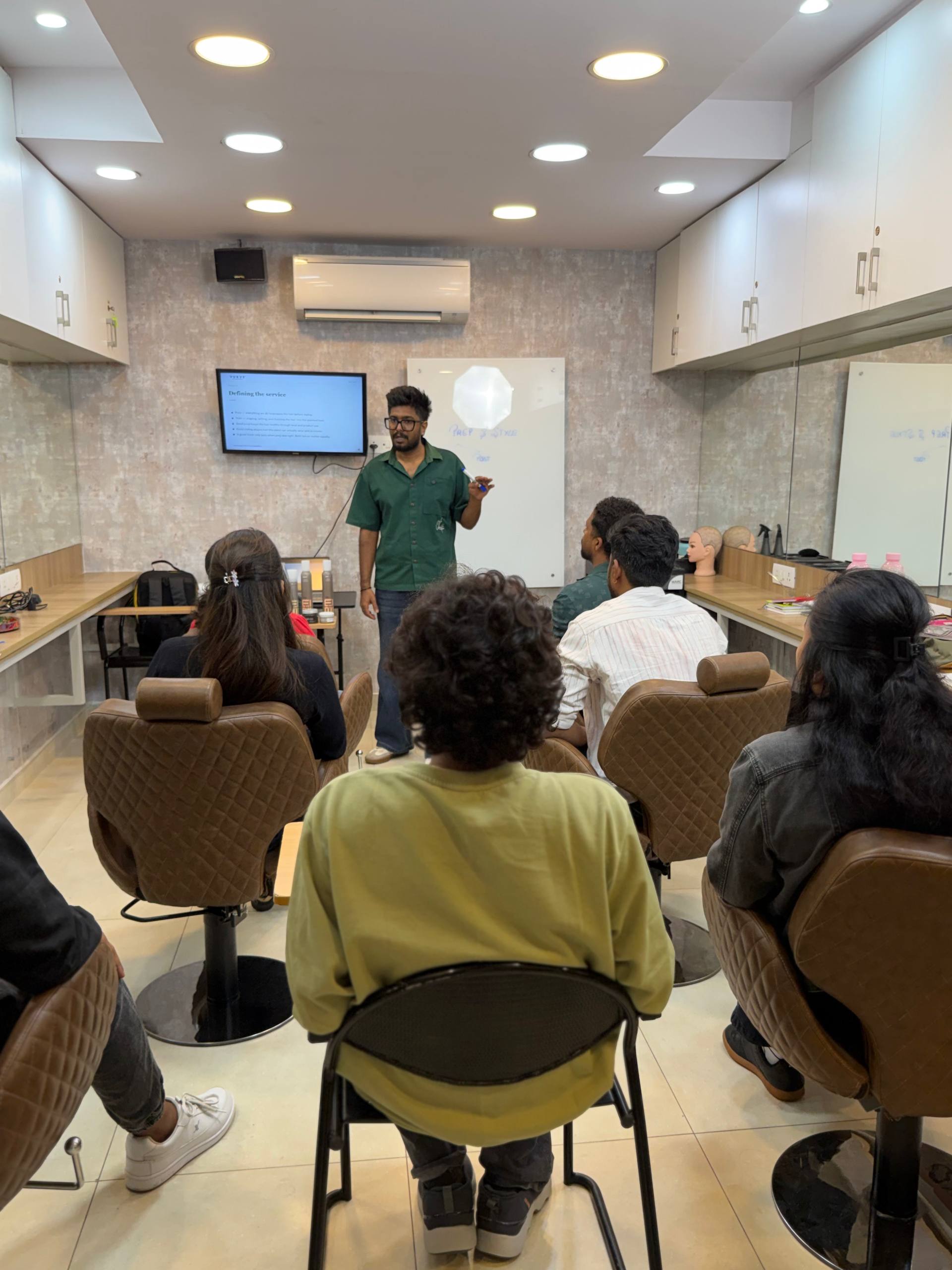
Yes, and the reasons go well beyond "people will always need haircuts."
Client spending on grooming and specialized hair services has risen steadily, with premium salons benefiting the most. While salons once relied on informal on-the-job experience, premium chains now prefer stylists with certification. Certification demonstrates an understanding of hair science, chemical safety, and scalp health, rather than just basic technique.
Rising demand for specialization has driven that shift. Balayage, keratin treatments, hair Botox, and bridal styling aren't niche add-ons anymore. They're core revenue services at any salon that wants to compete for premium clients, and a stylist who can deliver these confidently is worth noticeably more than a generalist.
Social media has raised the bar too. Clients now walk into consultations with reference photos and a working vocabulary of trends they picked up from Instagram and YouTube. That's created an opportunity as much as a pressure, because a stylist who documents their own work well can build a personal following independent of any one salon.
What Jobs Can You Get in Hairdressing?
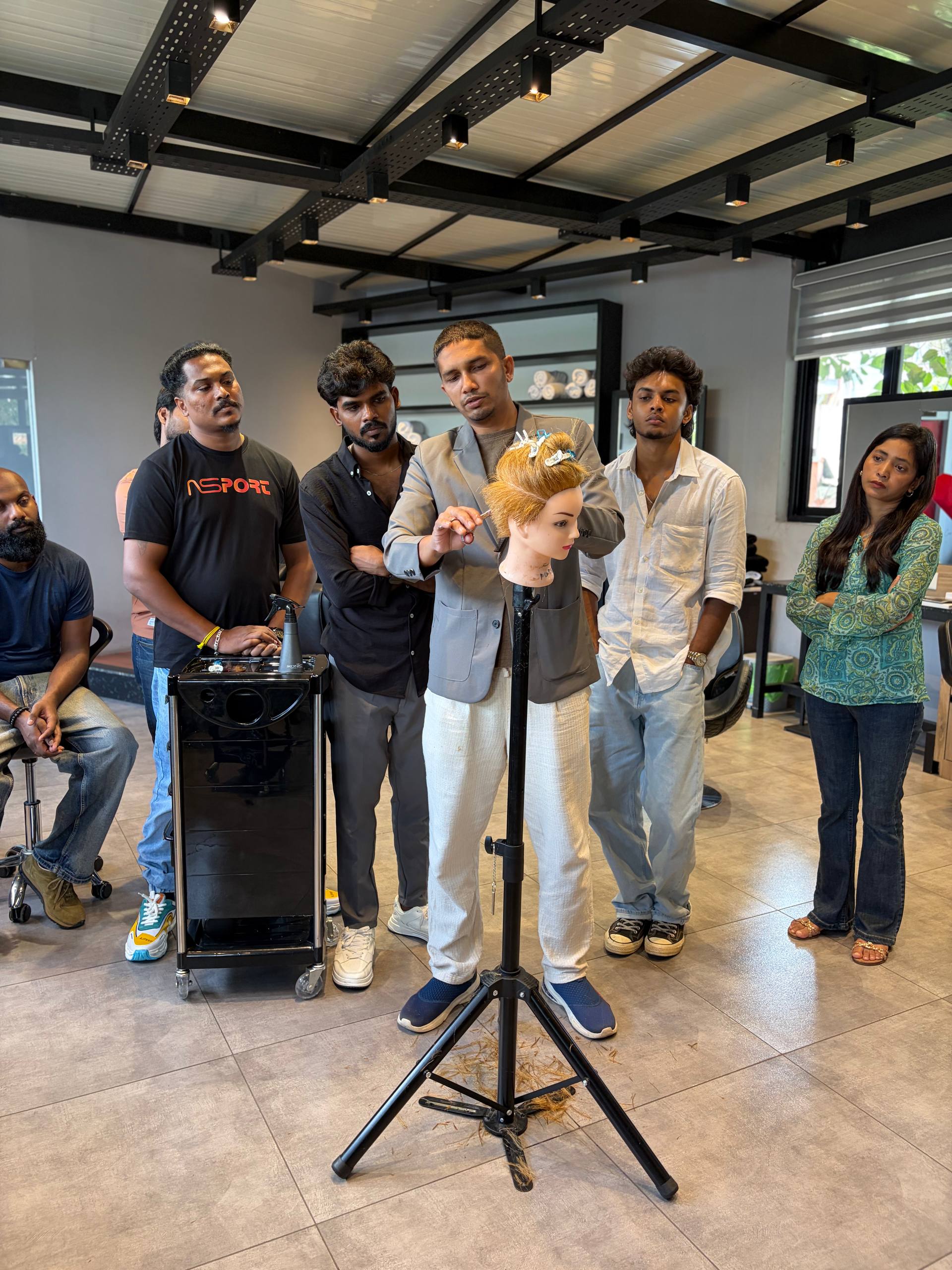
Once you're trained, "salon stylist" is just the entry point, not the ceiling. The same core skills, cutting, colour, texture work, and client consultation, translate across salon floors, film sets, wedding venues, and classrooms.
Traditional and Salon Roles
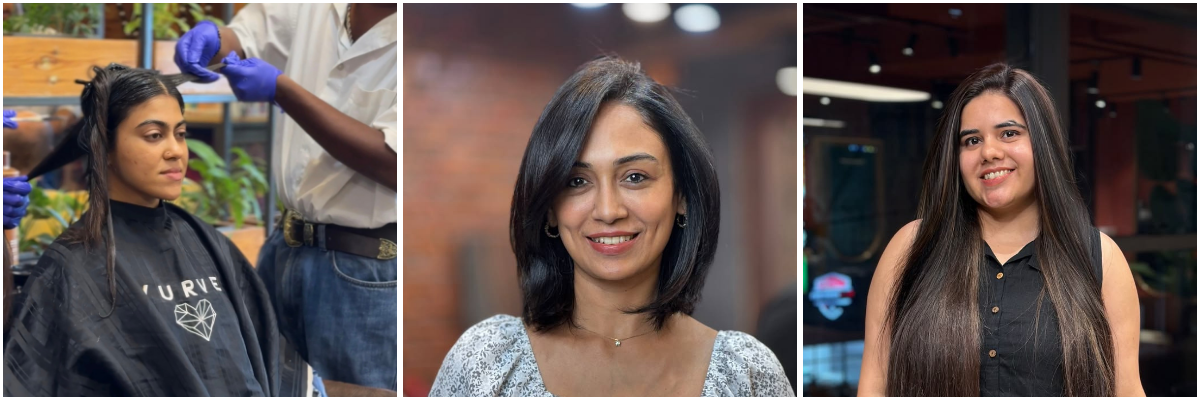
- Salon Stylist: Cuts, styles, and washes hair for daily walk-ins and a growing base of regular clients.
- Color Specialist: Mixes and applies colour, from natural-looking dimensions to bold transformations. Colour work commands some of the highest service prices in salons.
- Salon Owner: Runs their space, manages a team, and builds a brand around their name.
Creative and Media Jobs
- Editorial Stylist: Styles hair for fashion magazines, photoshoots, and runway shows.
- Film and TV Stylist: Designs looks for actors on movie sets and in television productions.
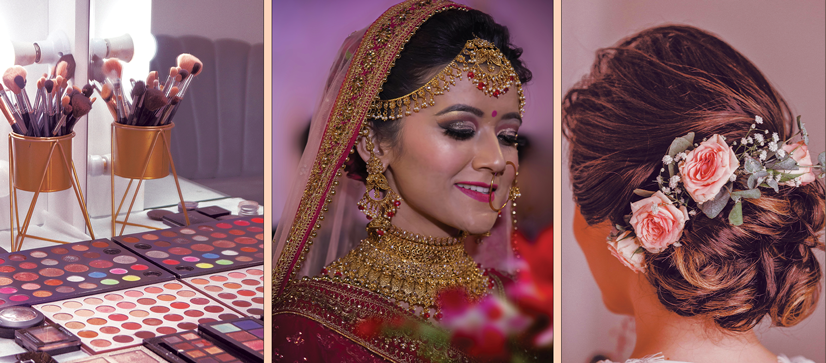
- Bridal and Event Stylist: One of the fastest-growing niches in India, given the scale of the wedding industry. Specialized updos and bridal hair command premium, per-booking rates.
Corporate and Teaching Paths
- Hair Educator: Teaches new students at a beauty academy, a natural next step for experienced stylists who enjoy mentoring.
- Platform Artist: Demonstrates new techniques on stage for major haircare and product brands.
- Sales Representative: Sells professional haircare products and tools to salons, bridging the technical and business sides of the industry.
How to Become a Professional Hairstylist in India
Wondering how to become a professional hairstylist in India? The path is more structured than most people expect, and it doesn't require a college degree. Start after 12th grade. Most hairdressing academies accept students right after their board exams, and many also welcome career changers and homemakers with zero prior experience. A hairdressing career after 12th is one of the fastest routes to paid, skilled work in the country.
Find a beginner-friendly course. Look specifically for hairdresser courses for beginners, such as those that start from the fundamentals rather than assuming prior skills. Complete a certified diploma. A structured, certified hairdressing training program is what most premium salons now look for when hiring, rather than a scattered mix of tutorials. Get floor experience through an internship. A mandatory salon internship exposes you to real clients, real-time pressure, and real consultations, the things that actually make you salon-ready.
Build a visual portfolio. Document every transformation you work on. A strong portfolio often leads to a job offer, regardless of how many years of experience you list. Taken together, this route usually takes a few months from start to salon-ready, dramatically shorter than most professional training paths in India.
Choose the Right Hairdressing Course and Training Hub
The right hairdressing course builds your foundation before it hands you scissors. It teaches the science of hair and scalp health, insists on live client practice instead of just mannequins, and is backed by an academy with a proven track record of placing its graduates in real jobs. Below is a breakdown of exactly what to look for to ensure your academy delivers on all three.
Understand the Hairdressing Course Syllabus
A strong syllabus starts with the science of hair and scalp health before moving into actual styling. This foundation is crucial because a stylist who knows why a technique works can easily adapt it to different hair types, while someone who only memorizes the steps will struggle the moment a client doesn't look like the textbook example. To build that kind of real-world confidence, make sure your course covers a few core modules.
- Hair science, hair structure, and scalp basics, the foundation everything else builds on
- Shampooing, conditioning, hygiene, and client consultation
- Haircutting fundamentals, layering, and texturising
- Coloring, bleaching, balayage, and chemical treatments, where a lot of the earning potential lives
- Blow-drying, finishing, tool handling, and client care
Compare Beginner and Advanced Programs
Not every stylist needs the same hairdressing course, which is why most reputable academies, Vurve Academy included, run separate tracks.
The 8-week Hair Foundation Course is built for people starting from zero. It's designed for beginners with no experience, homemakers considering a career change, students just finishing 12th grade, or anyone exploring their options. It covers the full basics, cutting, coloring, styling, and chemical treatments, so graduates leave salon-ready rather than just introduced to the craft.
For stylists with some experience, an advanced hair color and cutting course fits better. Vurve's version, the Advanced Haircut & Color Course, is a shorter, more intensive four-week program focused on advanced cutting techniques, color correction, and hands-on practice with live models rather than mannequins. For someone who wants a deeper credential from the start, a full diploma in hairdressing in India is usually the better long-term investment, combining both skill levels into one structured, certificate-backed program.
What Should Practical Training Include in a Hairdressing Course?
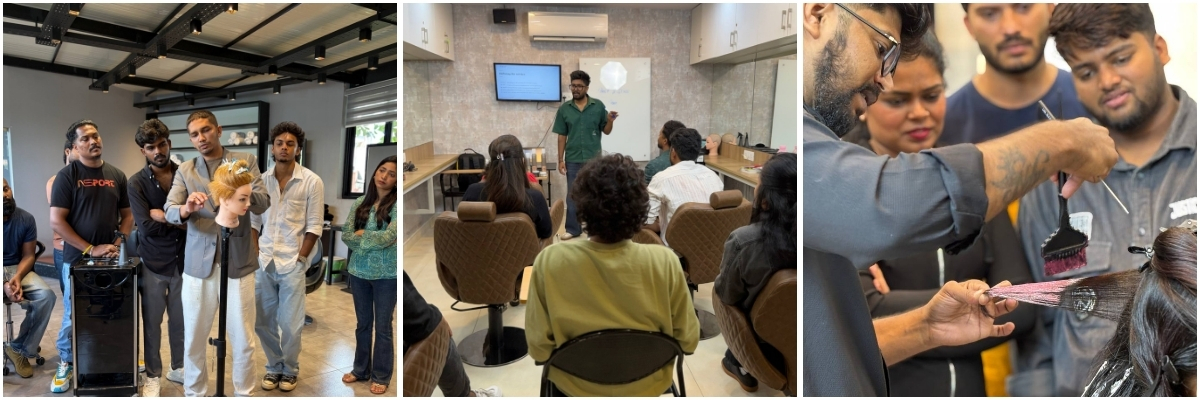
The single biggest differentiator between a course that produces confident, hireable stylists and one that doesn't is practical exposure. Prioritise live model work over classroom-only learning, demonstrations with guided practice and feedback in the same session, a reasonable student-to-mentor ratio, portfolio creation built into the course itself, and clear specifics on certification and placement assistance rather than a general assurance.
How Much Does a Hairdresser Earn in India?
Career Stage | Typical Monthly Earnings | Notes |
Beginner Stylist | ₹15,000 to ₹28,000 | Approximately ₹23,000 for a beginner stylist at Vurve |
Experienced Stylist | ₹50,000 to ₹1,00,000 | Grows with specialization (color, chemical treatments, bridal work) |
Top Stylist (5+ years, at Vurve) | Around ₹55,000 | Senior technical role with a strong client following |
Salon Director (8+ years, at Vurve) | Around ₹80,000 | Combines technical seniority with team and salon management |
Celebrity Stylist | ₹15,000 to ₹30,000 per shoot day | Typically covers hairstyling, make-up, and touch-ups for the day |
The jump between "beginner" and "experienced" is one of the biggest income jumps in any hands-on trade in India, and it happens over a few years, not decades. The path also splits meaningfully at the top. A top stylist and a salon director earn at different levels because they're doing genuinely different jobs, one deepening technical mastery, the other layering in leadership and management. Freelance and celebrity styling work, usually paid per shoot rather than monthly, can outpace even senior in-salon income once a stylist has built a strong enough reputation.
Why Vurve Academy is the Best Hairdressing Training Hub
Vurve Academy trains students across Bangalore, Chennai, Kochi, and Hyderabad. Across these cities, Vurve has run 35 to 40 batches and graduated more than 500 students, and each location was chosen deliberately, not just for convenience.
Each city gives students something a little different to work with. Bangalore remains one of India's premier hair education destinations because of its young, high-spending professional population and fast-expanding luxury salon market, which means graduates step into a client base that's already trained to pay for expertise. Chennai's advantage is a deeply established bridal and event culture paired with a steady, loyal salon clientele, so students get a consistent, repeat-client experience rather than one-off transactional work.
Kochi brings Vurve Academy's newest infrastructure investment, a purpose-built training space that gives students access to the same international standard of hair education without needing to relocate to a bigger metro. Hyderabad rounds out the picture with a fast-growing, cosmopolitan salon and bridal market of its own, giving graduates exposure to a client base that's expanding more quickly than one that is already saturated.
Across all four cities, Vurve's hairdressing courses stay consistent on the essentials. Hands-on training with international educators and products, small mentorship-focused batches, real client work built into the curriculum, and placement assistance across top salon chains.
Conclusion
Beyond the training itself, there's a compounding advantage to learning in a salon-connected academy rather than a standalone training center. Instructors are working stylists, not just teachers, which means the techniques taught are the ones currently being used with paying clients. Because Vurve Academy sits inside an active, multi-city salon brand, strong students have a genuine pathway into paid work at Vurve Salon locations, rather than a certificate and a cold job search.
If you're ready to turn your passion into an actual career instead of just reading about one, explore Vurve Academy's hairdressing courses and find the batch that fits your city and experience level.
Frequently Asked Questions
1. How long does it take to train in hairdressing?
A structured beginner program, like Vurve Academy's 8-week Hair Foundation Course, is usually enough to make a student salon-ready. Stylists who already have experience can move faster through shorter, advanced hairdressing courses focused on specific skills.
2. What are the hairdresser course fees for a hair stylist course in Chennai?
Fees vary by academy and depth of course. Government-backed vocational certificates are available for as low as ₹15,000, while premium, comprehensive diplomas can cost ₹80,000 and above. For the latest fee structure of Vurve Academy in Chennai, Bangalore and Kochi, please get in touch with them directly, as the prices keep changing.
3. What qualifications do I need for hairdressing?
None, formally. What matters is completing a certified hairdressing course. That credential, combined with a strong portfolio, is what salons and clients actually look for.
4. Which hairdressing academy is considered the best in India?
It depends on what you're optimizing for, but academies that combine small batch sizes, live client work, and real placement support, such as Vurve Academy, consistently turn out more salon-ready graduates than classroom-only hairdressing courses in India.
5. Is a career in hairdressing for women in India a viable choice?
Yes. It is one of the more flexible professional paths you can take, from full-time salon work to freelance and event styling. Hairdressing is a rewarding career for women, as income increases are based on skill and client relationships, not seniority, so it’s accessible regardless of career stage or gap years.
Popular Post

Everything You Need To Know About Keratin Treatment
August 7, 2019

Hair Botox Treatment: Everything You Need To Know
June 28, 2024
- Categories
- Bridal Makeup (4)
- Buzz (7)
- Vurve Academy (5)
- Hair (20)
- Hair Care (7)
- Hair Colour (4)
- Hair Cut (4)
- Men's Grooming (3)
- Men's Skincare (2)
- Nails (3)
- Semi Permanent Makeup (1)
- Skin (10)
- Aesthetics (7)
- Uncategorized (1)
- Vurve Salon (4)