"My wedding is in three months. Should I get keratin? When do I colour? Is it too late for a new cut?"
The short answer: plan your bridal hair care in stages, counting back from your first function rather than the wedding day. Make big changes like colour, a new cut or a smoothing treatment four to eight weeks ahead. Keep the last two weeks for trims, root touch-ups and conditioning, and avoid new chemical treatments in the final week.
We hear some version of this question from brides every wedding season. Below is how the plan works in practice, and how to adjust it for your hair type, your city and the number of functions on your calendar.
Why Timing Matters More Than the Treatment Itself
Almost every hair service looks a little different on day one than it does two weeks later. Colour softens after a few washes. Smoothing treatments can make hair look flatter for the first several days. A fresh cut needs time to settle, and you need time to learn how to style it.
If everything is booked into the last fortnight, you see your hair at its least settled, with no room to correct anything. Spacing services out gives each one a chance to settle and gives your stylist room to fine-tune.
Count back from your first function, not the wedding date. A mehendi, haldi or sangeet a few days before the muhurtham is still a day you will be photographed.
Your Bridal Hair Timeline at a Glance
| When (before first function) | What to do |
|---|---|
| 3 to 6 months | Consultation, hair history, start a conditioning plan |
| 2 to 3 months | Hair trial, big colour changes, new cut |
| 4 to 6 weeks | Smoothing or keratin, if you want it |
| 2 to 3 weeks | Light trim, toner or gloss |
| About 1 week | Root touch-up (after a 48-hour patch test) |
| Final days | Optional Fusio Dose conditioning; no new chemical services |
Three to Six Months Before: Consultation and a Plan
This is the time to sit down with a stylist and talk about the whole wedding, not one service.
Bring:
- The number of functions and their dates
- Photos of the looks you are considering for each one, with the outfit and jewellery if you have them
- An honest history of your hair: past colour, henna, smoothening, rebonding or home treatments
That last point matters more than most brides realise. Henna and some box colours can affect how salon colour and lightening take, so your stylist needs to know before planning anything. If your hair carries a lot of old colour or henna, this is also the time to discuss whether corrective work is needed, because it may take more than one sitting.
If your hair is dry, chemically treated or breaking, start a regular conditioning plan now. In-salon treatments help hair look and feel better over a series of visits, so starting early gives you more to work with by the wedding. They improve how hair looks and handles; they do not permanently reverse damage, and a good stylist will be honest with you about that.
If you notice thinning or sudden hair fall, see a dermatologist rather than relying on salon treatments alone. Stress, diet changes and hormones can all play a part, and a doctor can check for causes a stylist cannot.
Two to Three Months Before: The Trial, Big Colour Changes and Your Cut
Book your hair trial

A trial two to three months out leaves time to change direction if something does not feel right. Use it to test how a style holds through the hours you will actually wear it, not just how it looks in the mirror. Our post on whether bridal hair and makeup trials are worth it covers what to bring and expect.
At Vurve Salon, bridal hair trials are available at selected outlets where our makeup artists are based. Our bridal team will tell you which salon to book when you plan your wedding looks with them.
Bring the real accessories. A heavy gajra, a maang tikka, a matha patti or a dupatta pinned to the hair all change how a style needs to be built underneath. A bun that looks perfect on its own can sag under fresh jasmine by evening.
Make big colour decisions now
If you want a noticeable change, such as balayage, highlights or a move from dark to lighter brown, aim to do it around six to eight weeks before your first function. This gives you:
- Time to see how the colour settles after a few washes
- Room for a toning or correction appointment if needed
- A chance to see the colour in daylight and in photos before the wedding
Not sure which technique suits you? Our guide to balayage, highlights and global colour explains the differences on dark Indian hair.
If you have never coloured your hair, or are trying a new shade or brand, ask whether a skin allergy test is needed. Many colour manufacturers recommend one 48 hours before the service, because some reactions take that long to appear. At Vurve Salon, we carry out a 48-hour patch test before hair colour to check for any skin reaction, so plan for it at least two days before your colour appointment.
Settle on your cut
If you want layers, a fringe or a shorter length, do it at this stage. A new cut needs time to grow in slightly, and you need time to get used to styling it. Many bridal updos and braids also need a certain length or weight to hold, so check with your stylist that the cut you want will still work for the looks you have chosen.
Four to Six Weeks Before: Smoothing and Keratin Treatments
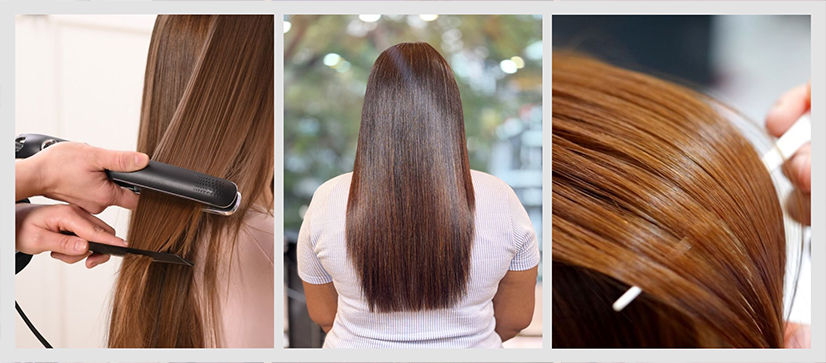
Keratin, smoothening and anti-frizz treatments are popular with brides, especially in humid cities like Chennai and Kochi. If you want one, this window usually works well. The hair has time to settle, the first washes are behind you, and you will know how it behaves before the functions begin.
Discuss these points with your stylist first:
- Updos and curls. Smoothed hair is sleeker and can be more slippery, so some styles may need extra preparation to hold. If your looks rely on volume or long-lasting curls, say so before booking.
- Colour comes first. If you are colouring as well, colour is usually done before or on the same day as a keratin treatment.
- Aftercare. Most smoothing treatments have a setting period after the service and work best with sulfate-free shampoo. Make sure the aftercare does not clash with pre-wedding travel.
- What is in the product. The US FDA notes that some hair smoothing products release formaldehyde when heated. Ask what is being used. At Vurve Salon, we offer formaldehyde-free options, including products from Kérastase and Aveda, so ask your stylist which one suits your hair.
If you have never had a smoothing treatment, do not try one for the first time in the final two weeks. You want to know how your hair responds before the wedding, not during it. Read more in the keratin consultation we have 1,000 times a year.
Two to Three Weeks Before: Trim and Tone
Book a light trim to tidy the ends. This should be a maintenance cut, not a new shape. If your colour has turned brassy or dull, this is also a good time for a toner or gloss to refresh it.
About One Week Before: Roots and Conditioning
If you colour to cover greys or your regrowth shows, a root touch-up about a week before the first function usually gives the freshest result while leaving a few days for the colour to soften. Remember the 48-hour patch test, and book it at least two days before this appointment.
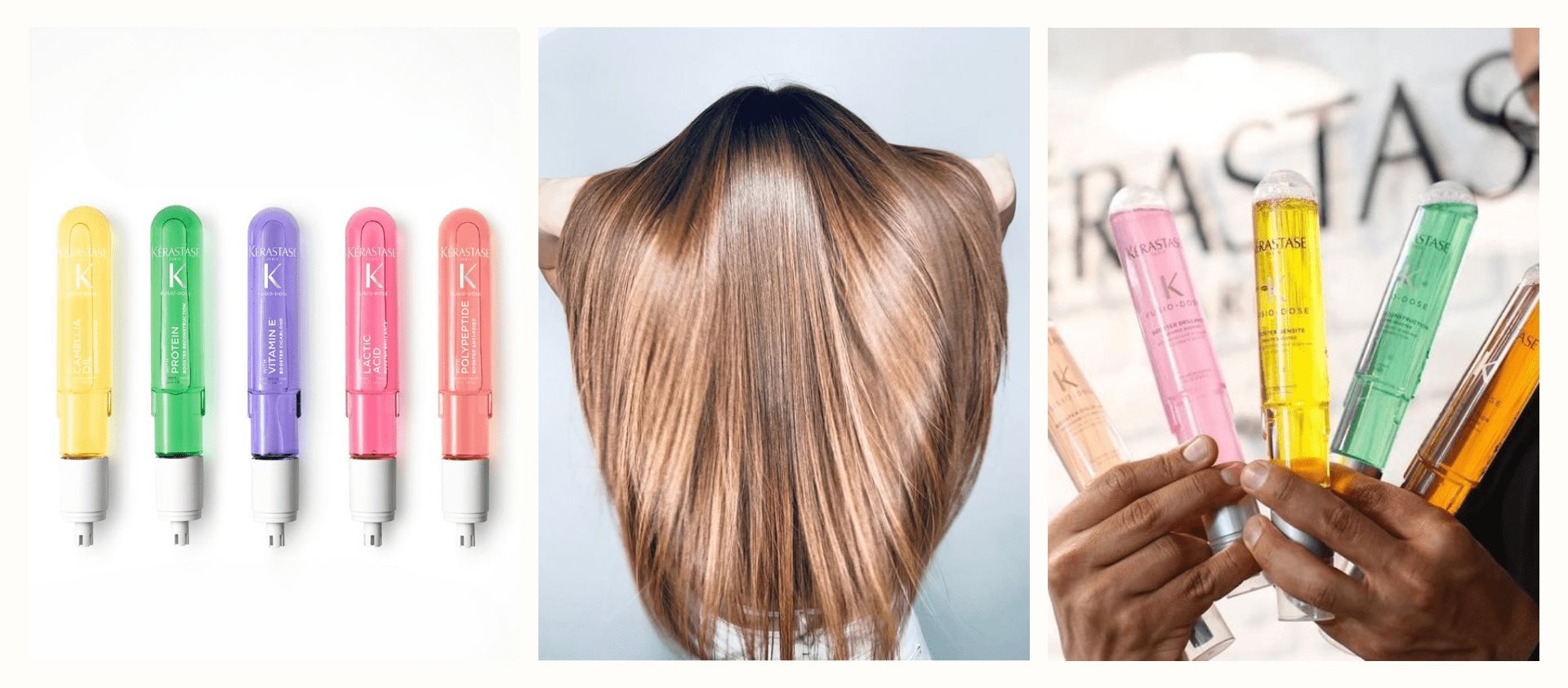
For a final boost, Kérastase Fusio Dose is an instant in-salon conditioning treatment that can be done as late as the day before your main function. It leaves hair soft and nourished with a little extra body, which is why many clients book it before an event.
The Final Days: What to Do and What to Skip
- Do not start any new chemical service, home colour or hair mask you have not used before.
- Do protect your hair from heat. Use a heat protectant if you blow-dry at home.
- Ask your stylist when to wash. Some hair holds a style better when washed the day before, while fine or oily hair often looks better washed on the day. Follow the advice from your trial.
- Plan for several looks. With back-to-back functions, ask which styles can follow one another without a full wash in between.
If Your Hair Is Curly, Fine or Very Thick
Not every bride needs the same plan.
- Curly hair: You do not have to straighten your hair for your wedding. Defined curls, half-up styles and textured buns can look beautiful. Ask for styles that work with your texture, and test them at your trial.
- Fine hair: Updos may need more preparation, padding or extensions for volume. Smoothing treatments can make fine hair look flatter, so discuss this before booking one.
- Very thick hair: Styles may take longer to set, and pins carry more weight. Allow extra time on the day and test the hold during your trial.
A Note for Grooms
Grooms benefit from a plan too, just a shorter one.
- Four to six weeks before: Decide on your haircut and beard shape, so there is time to grow in if needed.
- One to two weeks before: Get the final haircut. Very short styles and fades may need a quick tidy closer to the day.
- A few days before: Beard shaping and grooming.
- If you colour: Book colour about a week before, after a 48-hour patch test.
Questions to Ask Your Stylist
- How many sittings will my colour plan need, and what happens if I want to change it?
- Will a smoothing treatment affect the styles I have chosen?
- What should I avoid at home in the weeks before the wedding?
- Can you plan my looks so one function flows into the next?
- What should I bring to my trial?
Planning Your Bridal Hair With Vurve Salon
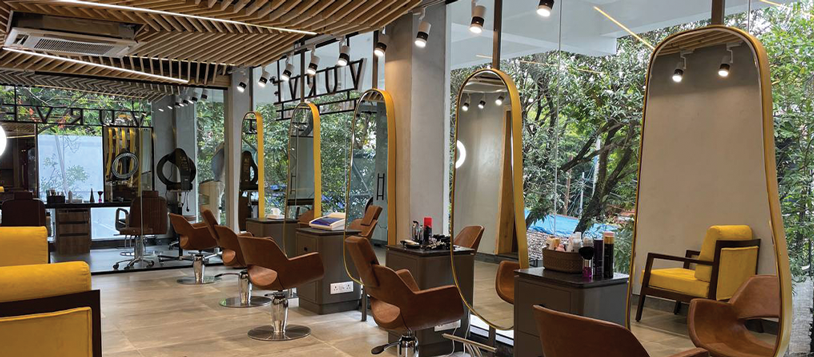
At Vurve Salon, our stylists can help you plan colour, texture and styling around your functions, and our makeup team offers bridal and trial makeup. Every bride's hair and calendar are different, so the best place to start is a consultation. Bring your dates, your inspiration photos and your hair history, and we will help you build a timeline that works.
Book a bridal hair consultation or find your nearest Vurve Salon. You can also explore our hair colouring, hair texture treatments and bridal makeup.
Frequently asked questions
1. Is it safe to get keratin right before my wedding?
It is better not to leave it to the last minute. Most stylists suggest doing smoothing treatments at least four weeks before your first function, so your hair has time to settle and you can see how it holds a style. If you have never had one, try it earlier rather than later.
2. How far before my wedding should I colour my hair?
For a major colour change, aim for six to eight weeks before your first function. For root touch-ups or a gloss, about one to two weeks before usually works well.
3. Can I colour my hair if I have used henna?
Often yes, but it depends on how much henna is in your hair and the result you want. Henna can affect how colour and lightening take. Tell your stylist about your henna history at the consultation so they can plan the right approach.
4. Should I wash my hair on the wedding day?
It depends on your hair type. Some hair holds a style better a day after washing, while fine or oily hair often looks better freshly washed. Follow the advice your stylist gives at your trial.
5. When should grooms get their wedding haircut?
About one to two weeks before the wedding usually gives the cut time to settle. Very short styles may need a quick tidy a few days before.
Popular Post
Everything You Need To Know About Keratin Treatment
August 7, 2019
Hair Botox Treatment: Everything You Need To Know
June 28, 2024
- Categories
- Bridal Makeup (4)
- Buzz (6)
- Vurve Academy (4)
- Hair (19)
- Hair Care (6)
- Hair Colour (4)
- Hair Cut (4)
- Men's Grooming (3)
- Men's Skincare (2)
- Nails (3)
- Semi Permanent Makeup (1)
- Skin (10)
- Aesthetics (7)
- Vurve Salon (2)