You know that moment when you catch yourself in a certain kind of light, perhaps in a mirror at an odd angle or in a photo you didn't quite expect? And you look just right, great, actually. And occasionally, when you need to be somewhere important, you catch yourself in the mirror and see something different. Not dramatic. Not overnight. Just... less firm than it used to be. It's a little more hollow under the eyes. Slightly looser along the jaw.
You can't pinpoint exactly when it started, because the truth is, it never really "started. "It's been quietly happening since your mid-20s.
Here's the reality: after the age of 25, your body begins losing roughly 1% of its collagen every single year, steadily and silently, without any big announcement. Over a decade, this process leads to skin that gradually loses its bounce and plumpness.
The good news? You don't have to just accept it. Understanding why collagen loss happens and how advanced treatments like microneedling actually work at a cellular level is the first step to doing something meaningful about it. And if you've been waiting for the "right time" to start, here's something that might surprise you: summer is actually a smart time to begin.
Let's get into it.
At What Age Do You Start Losing Collagen in Your Face?
The mid-20s shift is real, and it's biological. Around age 25, your skin's collagen production begins a slow but consistent decline, approximately 1% per year. By your 30s, you start noticing the early signs. By your 40s and beyond, the effects become more visible: fine lines that don't bounce back, skin that feels less tight, and a gradual loss of that youthful fullness. But collagen loss isn't caused by one thing alone. It comes from two directions simultaneously.
What Is Collagen, Exactly?
Think of collagen as the scaffolding that holds your skin up. It's the most abundant protein in your body, a dense network of fibers that keeps skin plump, firm, and lifted. When collagen levels are healthy, skin snaps back easily, pores look smaller, and your complexion has a natural fullness to it.
There are two main reasons we lose it over time:
- Intrinsic aging: This is your biology at work. As you age, your skin cells naturally slow down collagen production. Genetics plays a role, too; some people are simply wired to age more gradually than others.
- Extrinsic aging: This is everything outside your body: UV exposure, pollution, smoking, stress, poor sleep, and a diet low in skin-supporting nutrients. In India, especially, year-round sun exposure makes UV-driven collagen breakdown a very real concern.
Together, these two forces create visible changes in our skin. But here’s something encouraging: there is a fix for this problem. This is exactly where microneedling steps in.
What Does Microneedling Actually Do to Your Skin?
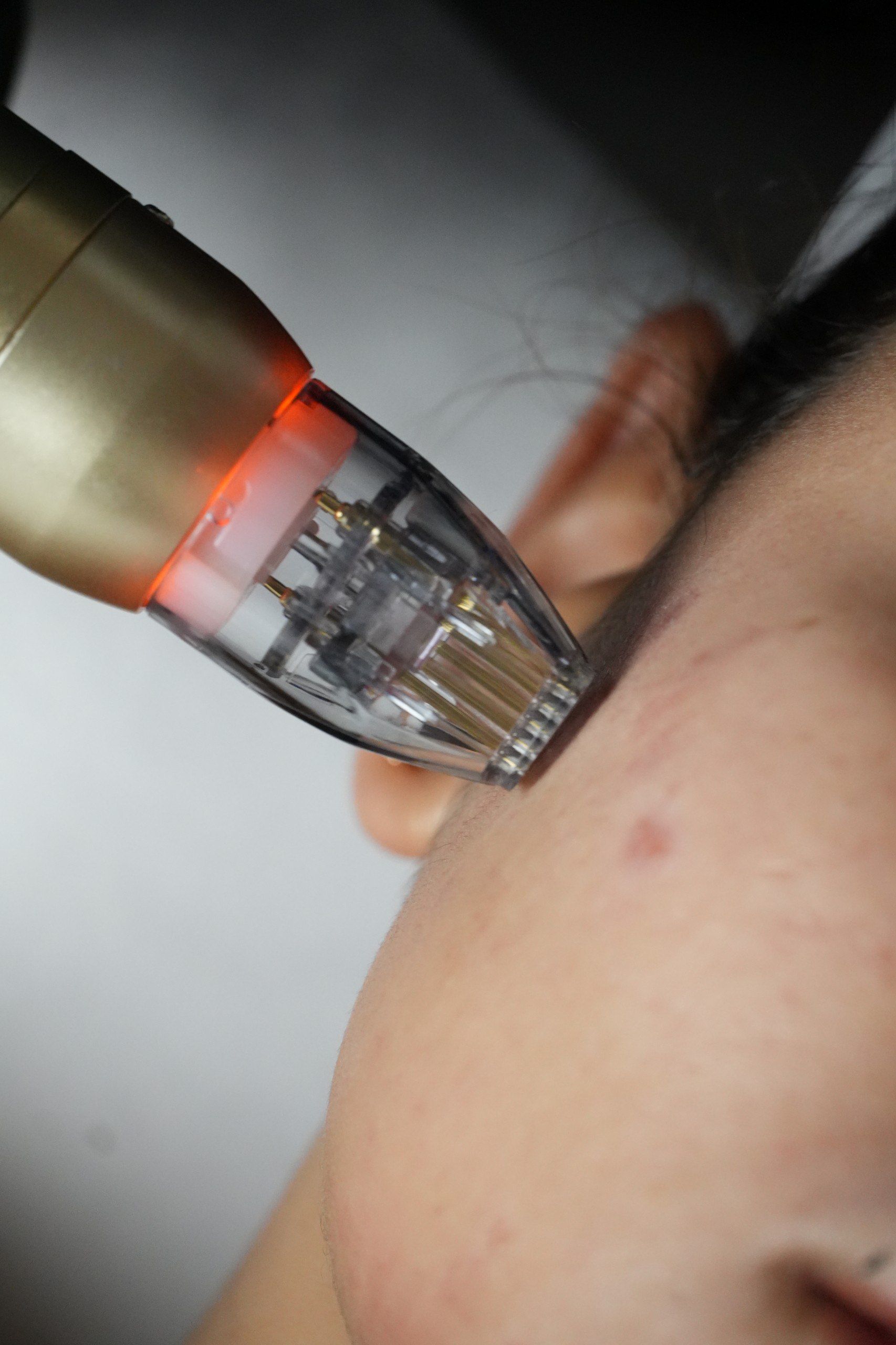
Microneedling uses ultra-fine needles to create thousands of microscopic punctures (called micro-channels) across the skin's surface. These are controlled, precise, and tiny, but they're enough to trigger your body's natural wound-healing response.
Microneedling works by essentially convincing your skin that it's been injured without actually injuring it in any meaningful way. And the response?
Phase 1: Inflammation
Within hours of treatment, blood flow to the area increases, and your immune system sends in its first responders, white blood cells and growth factors, to the micro-injury sites. This is the redness you see right after the treatment. It's not damage; it's your skin mobilizing.
Phase 2: Proliferation
Over the following days, fibroblasts, the cells responsible for producing collagen and elastin, rush to the treatment area. They begin laying down a fresh extracellular matrix and producing new Type III collagen. This material is the early scaffolding, soft and new, that starts rebuilding the skin from within.
Phase 3: Remodeling
This is the phase that gives microneedling its long-lasting reputation. Over the coming weeks, that temporary Type III collagen gradually matures and transforms into stronger, tighter Type I collagen, which is the kind that gives skin its firmness and density. Skin continues remodeling for months after your final session, which is why the results just keep getting better over time.
The whole process is completely natural. Your body is doing exactly what it was designed to do. Microneedling simply provides your body a reason to do so.
Microneedling vs. Other Skin Treatments: How Do They Compare?
Not all medspa treatments work the same way, and choosing the right one depends on your specific concerns, skin type, and lifestyle. Here's a clear breakdown:
|
|
|
|
|
|
|
|
|
|
|
|
|
|
|
|
|
|
|
|
|
|
|
|
|
|
|
|
For most Indian skin types, particularly those prone to post-inflammatory hyperpigmentation, microneedling offers an excellent balance of efficacy and safety when performed by a trained professional.
Does Microneedling Hurt?
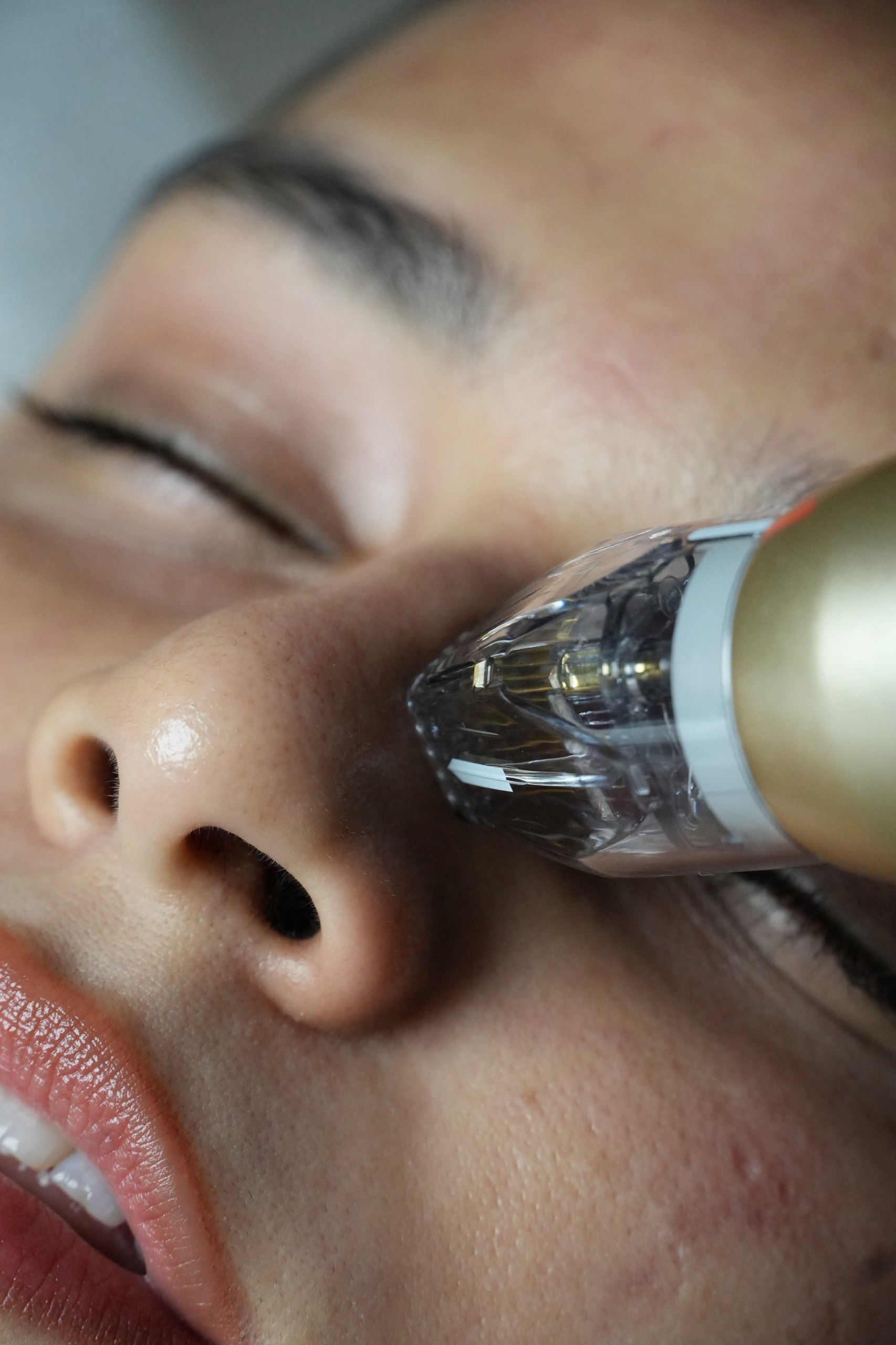
This is one of the most common questions and, honestly, a fair one. The short answer: most people find it very manageable.
A numbing cream is applied to the skin 30–45 minutes before the treatment begins, which significantly reduces any discomfort. During the procedure, you might feel a mild prickling or warmth, particularly around the forehead or near bony areas, but it rarely crosses into painful territory. Post-treatment, your skin will look and feel like a mild sunburn for 24–48 hours. Some redness and tightness, but it settles quickly. Most clients return to their normal skincare routine within a couple of days.
Aftercare: What to Do (and Avoid) After Microneedling
How you care for your skin after treatment makes a significant difference to your results. Here's what to keep in mind:
Keep it simple for 48 hours. Avoid makeup, active ingredients (retinol, AHAs, BHAs, and vitamin C), and anything fragranced. Your skin's barrier is temporarily more open, so less is definitely more.
- Hydrate generously: Your skin is highly receptive to hydration post-treatment. A gentle hyaluronic acid serum or a recommended recovery cream will help lock in moisture and support the healing process.
- SPF is non-negotiable: Freshly treated skin is sensitive to UV. Apply a broad-spectrum SPF 50 every single morning, rain or shine, for at least two weeks post-treatment.
- Avoid heat: Saunas, hot showers, steam rooms, and intense workouts for the first 48 hours. Heat can aggravate post-treatment inflammation.
- Don't pick or exfoliate. Any mild flaking is normal as your skin renews itself. Let it shed naturally; picking can lead to scarring or pigmentation, especially on Indian skin tones.
How Many Microneedling Sessions Do You Actually Need?
One session will give you a noticeable glow, but real, structural collagen changes require a series of treatments.
The standard protocol is 3 to 4 sessions, spaced 4 to 6 weeks apart. This spacing is intentional; it gives your skin enough time to complete each healing cycle before the next session builds on it. Think of it like building a wall brick by brick. Each session lays down more collagen, and with every round, the results accumulate. The skin you're working towards; firmer, smoother, and more even; is built over time, not overnight. For maintenance after completing your initial series, most people benefit from one to two sessions per year to keep results looking fresh.
Can Microneedling Be Done in the Summer?
There's a common misconception that microneedling is a "winter-only" treatment. This idea comes from the general advice to avoid sun exposure after skin treatments, but with the right precautions, clinical microneedling is completely safe and effective during the summer months. In fact, summer has a distinct advantage you might not have considered:
Humidity: Higher ambient moisture in the air means your skin's barrier experiences less post-treatment dryness and flaking compared to the harsh conditions of winter. Clients often find that their skin recovers more comfortably during summer, provided they're disciplined about SPF and avoiding direct sun in the days immediately following treatment. The key rules for summer microneedling: always wear SPF 50, avoid prolonged direct sun for at least a week post-treatment, schedule sessions in the evening where possible, and reach for a wide-brimmed hat when stepping out during recovery. When done right, summer microneedling is not just possible; it's a smart time to start building your collagen bank.
Who Should Do Microneedling and Who Should Wait?
Microneedling works beautifully for
- fine lines
- early wrinkles
- loss of firmness
- enlarged pores
- acne scars
- dull or uneven skin tone
However, you should postpone treatment if you have active acne breakouts or open wounds, recent sunburn, keloid-prone skin, active skin infections or rosacea flares, or if you're pregnant or on certain medications like blood thinners or retinoids. You need to consult your doctor for advice. A note for Indian skin types specifically: post-inflammatory hyperpigmentation (PIH) is a real consideration. Darker skin tones can be more susceptible to pigmentation changes if treatment is too aggressive or aftercare isn't followed carefully. This is exactly why a professional skin consultation, not just a quick chat but a proper analysis, is so important before you begin
How Long Does It Take to See Collagen Growth After Microneedling?
One of the most honest things we can tell you is that the best results take time, and that's a sign it's working the right way.
Week 1: You'll notice an immediate glow. This comes from mild, temporary swelling that beautifully plumps the skin and your skin's increased ability to absorb hydrating serums post-treatment. It's a lovely first look, but it's just the beginning.
Weeks 3–4: Fibroblasts are actively producing new collagen. You may start to notice improvements in texture and a subtle tightening. Pores appear smaller, and areas of scarring or unevenness begin to smooth out.
Months 3–6: This phase is where the real transformation happens. Type I collagen is maturing and remodeling, and the structural changes in your skin are clearly visible. You’ll notice increased firmness, improved definition, and an overall enhancement in skin quality that genuinely turns heads.
A full series of 3 to 4 sessions, spaced 4 to 6 weeks apart, ensures that each phase of collagen synthesis builds upon the last. The cumulative effect is skin that doesn't just look better; it actually is better at a cellular level.
How Vurve Aesthetics Elevates Your Microneedling Experience

There are clinics across India that offer microneedling as a menu item. You book, you come in, and you get treated. What Vurve Aesthetics offers is something different: a protocol. And that distinction matters more than most people realize: A Doctor Looks at Your Skin Before Anyone Touches It: Every treatment at Vurve Aesthetics begins with a dermatologist consultation, who assesses your skin type and tone, understands your specific concerns, reviews your medical history and current medications, and then decides the right device settings, depth, and energy levels for your skin specifically. And it doesn't stop there. The same doctor reviews your progress at every subsequent session, adjusting the protocol based on how your skin is actually responding. Because skin is not static, your treatment should not be either.
The Device: Sylfirm X
Vurve Aesthetics uses Sylfirm X, the world's first FDA-cleared dual-wave RF microneedling device. It is the only RF microneedling system cleared for both pulsed wave and continuous wave energy delivery, which means it can address collagen loss and pigmentation concerns within a single treatment platform. For Indian skin, where post-inflammatory hyperpigmentation is a real risk and melasma is common, this treatment is particularly beneficial. The device offers genuine flexibility in how it's used. But that flexibility is only as powerful as the clinical judgment guiding it, which is exactly why the doctor-led model exists.
Collagen Banking: The Long-View Approach
At Vurve Aesthetics, microneedling isn't positioned as a one-time fix or a reactive correction. It's collagen banking, a deliberate, cumulative investment in your skin's structural health over time. A series of sessions, maintained every 6 to 12 months and started at the right age, builds a collagen reserve that changes the trajectory of how your skin ages. Clients who begin at 28 or 32 aren't treating visible damage. They're investing in structural resilience before significant loss has even occurred. That's the difference between chasing results and staying ahead of them.
What to Expect at Your First Consultation
Walk in, and here's what happens: Your dermatologist reviews your skin history, concerns, and goals properly. A visual skin assessment identifies your skin type, tone, and specific concerns: collagen loss, pigmentation, texture, or vascular changes. From there, your Sylfirm X protocol is designed around your profile. Session count, wave mode, depth, and energy settings are all chosen for you. You'll receive pre-treatment instructions so you know exactly how to prepare. And you'll leave with a clear plan: what to expect at each session, a realistic results timeline, and your maintenance schedule going forward.
Get in touch now
Collagen loss is quiet, gradual, and completely addressable if you start at the right time, with the right protocol. Book a consultation with Vurve Aesthetics today.
Frequently Asked Questions
1. How long do collagen results last after microneedling?
With a complete series of 3–4 sessions, collagen improvements can last 12 to 18 months or longer. Maintaining results is easy with annual top-up sessions and a consistent SPF habit. Lifestyle factors like sun protection, hydration, and diet also play a role in how long your results hold.
2. Does microneedling work on all skin types?
Yes, microneedling is one of the most inclusive skin treatments available. It works effectively across all skin tones, including deeper Indian skin types. The key is proper protocol, correct needle depth, and professional aftercare guidance. At Vurve Aesthetics, treatments are specifically adjusted for melanin-rich skin to minimize any risk of pigmentation.
3. Can I combine microneedling with other treatments?
Absolutely, and often, combining treatments gives you better results than either one alone. PRP is a popular and highly effective pairing that supercharges the healing response and accelerates collagen production. Medifacials can also be incorporated to boost hydration and recovery. Your doctor at Vurve Aesthetics will recommend the right combination based on your skin goals.
4. Are at-home microneedling devices effective?
At-home dermarollers can help with gentle skin stimulation and boosting serum absorption, but they operate at needle depths far too shallow to trigger real collagen synthesis. Clinical microneedling devices reach the dermis with precision and sterility that at-home tools simply cannot replicate. For genuine structural collagen improvement, professional treatment is where the results live.
Popular Post
Everything You Need To Know About Keratin Treatment
August 7, 2019
Hair Botox Treatment: Everything You Need To Know
June 28, 2024

- Categories
- Bridal Makeup (3)
- Buzz (6)
- Vurve Academy (4)
- Hair (15)
- Hair Care (4)
- Hair Colour (3)
- Hair Cut (4)
- Men's Grooming (3)
- Men's Skincare (2)
- Nails (3)
- Semi Permanent Makeup (1)
- Skin (7)
- Aesthetics (4)
- Uncategorized (4)