Tag: skin

Have you ever caught yourself hesitating to wear open-toed shoes or heels? Or have you ever felt like skipping a dip in the pool or a spa day with friends because of how your heels look? That hesitation is usually caused by one thing: dry and cracked heels. No matter how many creams or home remedies you try, rough heels tend to come back.
A heel peel treatment is a foot peel treatment that uses a gel-based exfoliating mixture to soften and remove the dead, thickened skin on cracked heels. Once the old skin sheds, what is left underneath is smoother, softer, and noticeably healthier-looking skin.
If home remedies have stopped working on your heels, here is everything you need to know about this treatment, how it works, its benefits, and whether it is right for you.
What is a Heel Peel Treatment?

A heel peel treatment is an exfoliating skin treatment that uses a special jelly-like mixture applied to the soles of the feet. This softens and exfoliates dead skin, and once the old skin sheds, new, soft, and healthy skin takes its place. It is one of the more effective cracked heel treatments because it works on skin too thick for moisturizer alone.
Did you know? A study in rural Tamil Nadu found foot fissures in 48% of people aged 15 and above, with women accounting for a higher prevalence than men. (Source)
How Is a Heel Peel Treatment Done?
- The first step is consultation, where the therapist checks your feet, listens to your concerns, and explains what to expect from the session.
- Next comes cleansing and disinfecting the feet.
- The heel peel solution is applied and left on for about 15 minutes.
- Once the time is up, a spatula is used to remove the solution along with the dead skin and rough patches. A pumice stone is also used to smooth things further.
- The session ends with a moisturizer applied to hydrate and soothe the skin.
Heel Peel Treatment vs. Traditional Alternatives
A heel peel treatment uses chemical acids to dissolve thick, dead skin, while traditional alternatives rely on physical tools like pumice stones or metal files to manually scrub it away.
Here is the brief difference between traditional foot care and a heel peel treatment:
|
Feature |
Heel Peel Treatment |
Regular Pedicure |
Home Remedies (Pumice/Creams) |
|
Best For |
Deeply cracked, severe calluses, and thick, rough heels |
General foot maintenance, nail care, and relaxation |
Mild dryness and daily moisture upkeep |
|
Exfoliation Method |
Mild dryness and daily moisture upkeep |
Surface-level physical exfoliation (files/scrubs) |
Mild physical filing or topical moisture |
|
Effect on Foot Odour |
High (removes the thick, dead skin where odor-causing bacteria thrive) |
Low to Moderate |
Low |
|
Results Timeline |
Peeling occurs over 1–2 weeks; results last for months. |
Immediate, but roughness returns in a few weeks. |
Gradual improvement; requires daily consistency |
Benefits of Heel Peel Treatment
Cracked heels do not just look rough; they can genuinely hurt when you are on your feet all day. Here is what actually changes once you get this treatment done.
- Smoother, softer skin: Once the dead skin is gone, your heels feel different almost immediately. Creams and oils that used to sit on the surface start soaking in properly, because there is no longer a thick layer blocking them.
- Less odor: Bacteria build up in thickened, cracked skin, which can cause smelly feet. Clearing that skin away cuts down on the bacteria along with it, so your feet stay fresher for longer. (Source)
- Better circulation: Between the massage and the exfoliation, blood flow to your feet gets a real boost. Some people notice less swelling afterward, especially if they are on their feet a lot during the day.
- Relief from sore heels: Hard, calloused skin puts pressure on specific points every time you walk or stand. Softening that skin makes a difference, so everyday movement feels easier.
- Heels that actually look cared for: There is a visible difference once the rough patches are gone. Sandals and open heels become something you can wear without worrying about them.
Who Should Avoid a Heel Peel Treatment

If you have open wounds, diabetes, an active skin infection, or a condition that makes your skin more sensitive than usual, it is best to skip a heel peel treatment or check with a doctor first. The exfoliation is intensive, and skin that is already compromised needs a gentler approach. Here are the cases where it is best to hold it off:
- You are pregnant or breastfeeding.
- You have diabetes, since the treatment is intensively exfoliating.
- You have skin conditions like psoriasis or eczema.
- You have broken, inflamed, or injured skin on your feet.
Heel Peel Treatment Aftercare: How to Care for Your Feet

Your feet need a few days of proper aftercare after a heel peel treatment for the results to actually last. Wash gently, moisturize often, and let the skin shed on its own instead of rushing it.
Here is what that looks like in practice.
- Keep it clean but gentle: Stick to a mild soap and skip the scrubbing for the first few days. Your skin has just gone through a proper exfoliation, so it does not need another round right away.
- Moisturize more than usual: Follow up every wash with a hydrating moisturizer. The new skin underneath is settling in, and keeping it soft now will help prevent the next crack from forming.
- Hold off on other exfoliants: No harsh acids, scrubs, or exfoliating creams for a few days. Your heels are already doing the work of renewing themselves; adding more products on top just irritates skin that is still recovering.
- Leave the peeling alone: If skin starts flaking after the treatment, let it happen naturally. Picking at it slows down healing and can leave patches that look worse than before you started.
How Often Should You Get a Heel Peel Treatment
For lasting results, book a heel peel treatment every six to eight weeks. This gives the new skin time to settle before the next session so you are not exfoliating skin that has yet to fully recover. The treatment usually takes between 30 minutes and an hour, depending on how much buildup there is to treat. You will notice a difference after the first session, though full results show up over the following days as the skin sheds and renews.
Why Get a Heel Peel Treatment From Vurve Salon?
Not every place doing a heel peel treatment is treating it the same way. Many salons squeeze it into a regular pedicure slot and rush the timing, which matters here since the solution needs its full 15 to 20 minutes to actually work. At Vurve Salon, the therapist checks your skin before starting, so someone with thin or sensitive skin is not getting the same approach as someone with years of buildup. The products used are chosen for consistent results rather than the cheapest option available, and the aftercare advice you get is based on what your feet actually need, not a generic printout handed to everyone.
Vurve has 15 outlets, with multiple branches and a team trained specifically in foot and skin treatments, not just hair and nails. If cracked heels have been an ongoing issue for you, that kind of consistency is what makes the difference between a one-time fix and heels that actually stay smooth.
Ready to Get Your First HealPeel Treatment?
Cracked heels are common, but they do not have to stay that way. A proper heel peel treatment gets rid of the thickened skin causing the problem, not just the surface dryness, so the results hold far longer than any home remedy manages.
If your heels have been bothering you for a while, this treatment is worth trying before you write it off as something you just have to live with. Book a heel peel treatment at Vurve Salon and give your feet the fix they actually need
Key Highlights:
- This guide breaks down the investment for Laser Hair Reduction in Chennai, from single sessions to value-driven full-body packages.
- Get to know the essential "do’s and don’ts" of laser treatment, including expert advice on who should avoid the procedure to ensure optimal skin health.
- Discover why our Vurve Aesthetics, Chennai, is a preferred choice for LHR, combining US-FDA-approved technology with a medical-grade approach to permanent hair reduction.
Ditch the wax and forget the razors. If you’re tired of the endless cycle of body hair removal, it’s time to upgrade to a solution that works as hard as you do. In 2026, Laser Hair Reduction (LHR) has become the gold standard for achieving smooth, hair-free skin with medical precision.
At Vurve Aesthetics, we believe skin health is a science. That’s why our LHR protocols are exclusively Doctor-led, ensuring you get permanent results without compromising on safety.
What is Laser Hair Reduction?
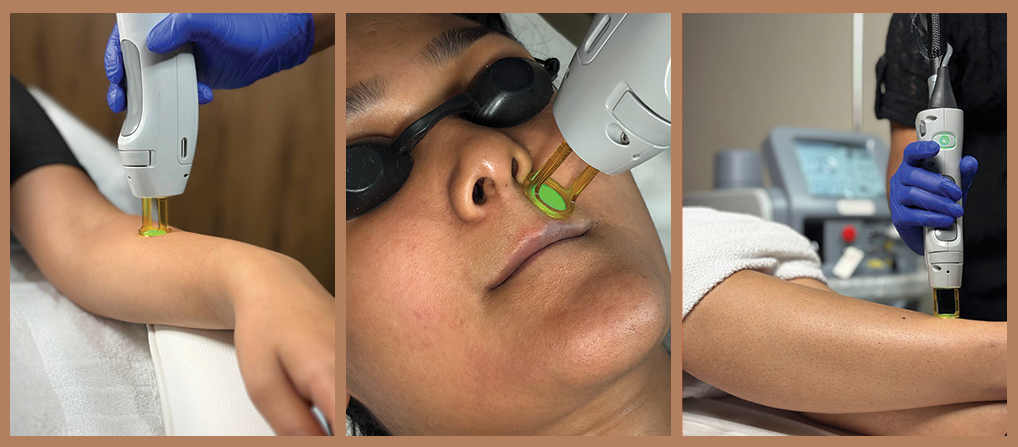
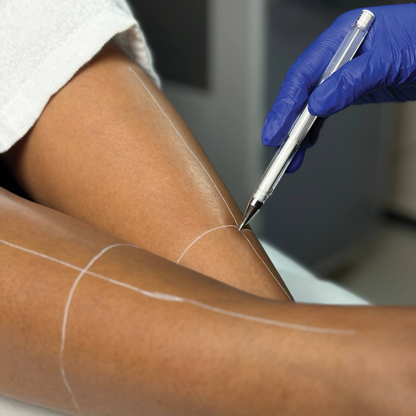
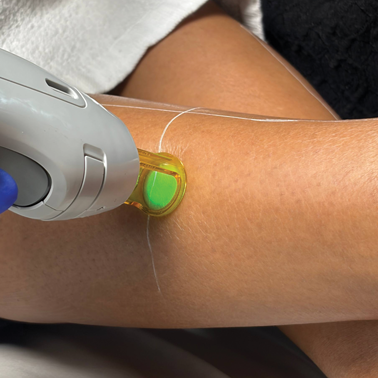
Laser hair reduction works by delivering controlled light energy into the hair follicle. The pigment in the hair absorbs this energy, which damages the follicle’s ability to produce thick, terminal hair over time. What matters here is the follicle, not the hair you see on the surface.
This is why laser is called hair reduction, not hair removal. The goal is not to erase hair permanently in one session. The goal is to weaken the follicle gradually so that the hair that grows back is finer, lighter, slower, and often barely noticeable.
Many people expect immediate smoothness after one session. That expectation usually comes from comparing laser to waxing. But a laser does not work on visible hair alone. It works on hair that is actively growing under the skin, and only a percentage of your hair is in that phase at any given time.
That’s why results are progressive. Subtle at first. Then more obvious. Then stabilising.
Why LHR is the Ultimate Grooming Hack
Compared to traditional methods, Laser Hair Reduction offers a level of convenience and skin health that waxing simply cannot match.
|
Feature |
Laser Hair Reduction |
Traditional Waxing |
| Duration of Results | Long-term/Permanent Reduction | 2–4 Weeks |
| Skin Health | Reduces Ingrown Hairs | High Risk of Rashes & Ingrowns |
| Comfort Level | "Cooling" Tech for Minimal Discomfort | High (Painful tearing of skin) |
| Cost over 5 Years | High ROI (One-time investment) | Expensive (Recurring monthly costs) |
Areas That Can Be Treated And How They Respond
Laser hair reduction can be done on most parts of the body, but the response varies by area, hair type, and hormonal influence.
Facial Areas
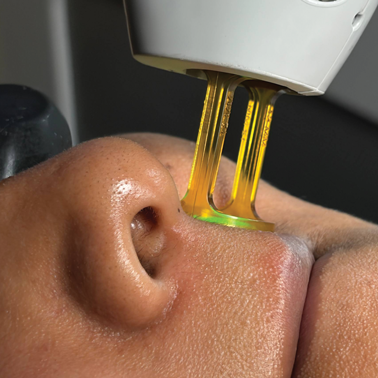
Upper lip, chin, jawline, and sideburns are common concerns. Facial hair is often hormonally influenced, especially in women, which means results may take longer and require maintenance. However, lasers significantly reduce thickness and shadowing and help with irritation caused by threading or shaving.
Underarms
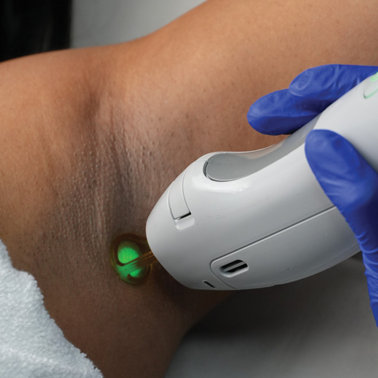
Underarms respond very well to laser. Hair is usually coarse and pigmented, making it an ideal target for treatment. Many people also notice improvements in pigmentation and reduced ingrown hairs over time.
Arms and Legs
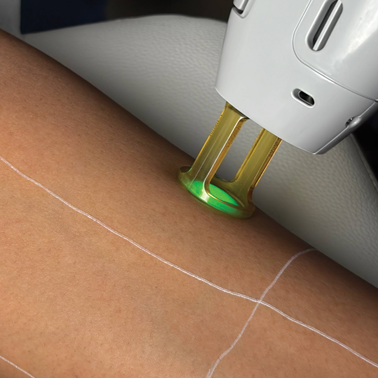
These areas show gradual but steady improvement. Hair becomes patchy, finer, and slower to grow. Many clients move from frequent waxing to occasional maintenance.
Bikini and Intimate Areas
Often chosen for comfort, hygiene, and reduced inflammation. Laser here requires experienced handling and appropriate technology, but the results are highly satisfying for most people.
Full Body Treatments
For those who want an overall reduction, a full-body laser provides uniform improvement and better long-term cost efficiency compared to treating areas individually. In general, areas with thicker, darker hair respond faster. Finer hair takes longer, but still benefits.
Is Laser Hair Reduction Safe?
Short answer: yes, when done correctly.
Laser hair reduction is FDA-approved and widely used worldwide. But safety depends on how and by whom it’s done.
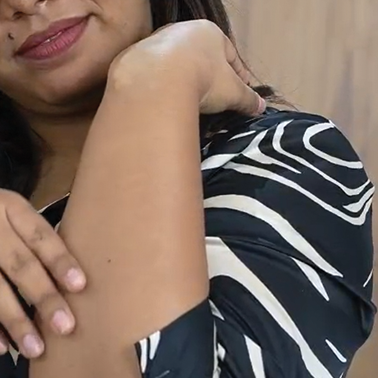
Skin type matters, especially Indian skin. Indian skin tones have higher melanin. This means the laser settings must be customised and the wrong machine or protocol can cause burns or pigmentation. That’s why medical supervision and the right technology are crucial.
What are the Side Effects of Laser Hair Treatment
Common and temporary side effects:
- mild redness
- warmth
- slight swelling around follicles
These usually settle within hours.
Rare side effects (when done incorrectly):
- burn
- blistering
- pigmentation changes
Does Laser Hair Reduction Hurt?
This is one of the most common fears. The sensation is often described as:
a warm snap
or a mild rubber-band flick
Pain varies by area:
Underarms and bikini area can feel more sensitive
Arms and legs are usually very tolerable
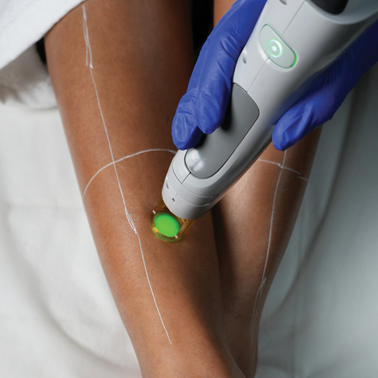
Modern machines use cooling technology, which significantly improves comfort. Most clients are surprised by how manageable it feels.
How Many Sessions Are Usually Needed for Laser Hair Reduction?
On average, most people require six to eight sessions for a visible, lasting reduction. This is not a fixed number. Several factors influence session count:
- Hair thickness and density
- Area being treated
- Hormonal influence
- Consistency of sessions
People with hormonal conditions may need additional sessions and occasional maintenance. This doesn’t mean the laser isn’t working. It means biology continues to influence hair growth. Maintenance sessions, done once or twice a year, help sustain results long-term.
Pre-Treatment Care: What Actually Matters
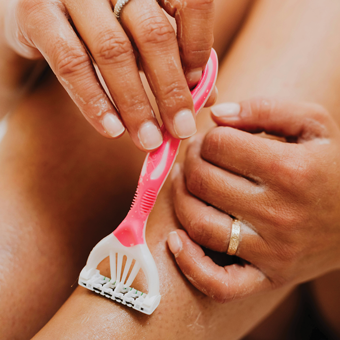
Before your session, shaving is usually recommended. This keeps the follicle intact while removing surface hair that could absorb unnecessary heat.
What to avoid before treatment:
- Waxing, threading, or epilators
- Sun exposure or tanning
- Active skin irritation
- Clean, calm skin responds best to laser.
Post-Treatment Care and What to Expect
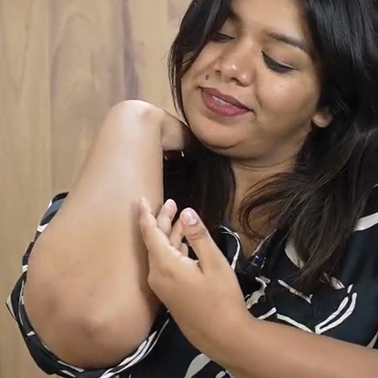
After treatment, the skin may appear red or feel warm. This is normal and temporary.
For the next 24 hours, it’s advised to avoid:
- Hot showers
- Saunas or intense workouts
- Direct sun exposure
Hair may shed over the following days or weeks. This is part of the process, not regrowth. Any unusual discomfort, blistering, or pigment changes should be reported to the clinic immediately.
Who Should Avoid or Postpone Laser Hair Reduction
Laser hair reduction may need to be avoided or temporarily postponed if:
- You are pregnant: Laser treatments are usually deferred during pregnancy as a precaution, even though the energy does not penetrate deeply.
- You have active skin infections or open wounds in the treatment area. Conditions like rashes, cuts, boils, or fungal infections should heal completely before starting laser.
- Your skin is recently tanned or sunburnt. Tanned skin has higher surface melanin, which increases the risk of burns or pigmentation changes.
- You have photosensitive conditions or are on photosensitising medications. Certain medications and skin conditions make the skin more sensitive to light-based treatments.
- You have untreated hormonal conditions. Conditions like PCOS may still be treated, but expectations and session planning need to be adjusted.
- You are undergoing active cancer treatment or radiation therapy. Laser is typically postponed until treatment is completed and clearance is given.
Understanding the Investment: Laser Hair Reduction Cost in Chennai
The cost of LHR is highly personalized. Factors influencing your investment include the size of the treatment area, hair density, and the number of sessions required (typically 6–8 for optimal results).
- Small Areas (Upper Lip/Chin): Ideal for those starting their laser journey.
- Large Areas (Full Legs/Back): Significant time-savers for busy professionals.
- Full Body Packages: The most cost-effective way to achieve head-to-toe smoothness.
How to Choose the Right Clinic for Laser Hair Reduction
Laser hair reduction is a medical aesthetic treatment that works by delivering energy into the skin, close to the hair follicle. The safety of your skin and the quality of your results depend on the technology used, the protocols followed, and the clinical judgment guiding the treatment.
All lasers are not the same. Different laser systems use different wavelengths, depths of penetration, and energy patterns. These differences determine how the laser interacts with both hair and skin. This distinction becomes especially important for Indian skin tones, which naturally contain higher levels of melanin. Choosing the right clinic starts with understanding that laser hair reduction must be adapted to skin type, hair type, and treatment area.
Why Gentle YAG Pro Is Considered Safer for Indian Skin
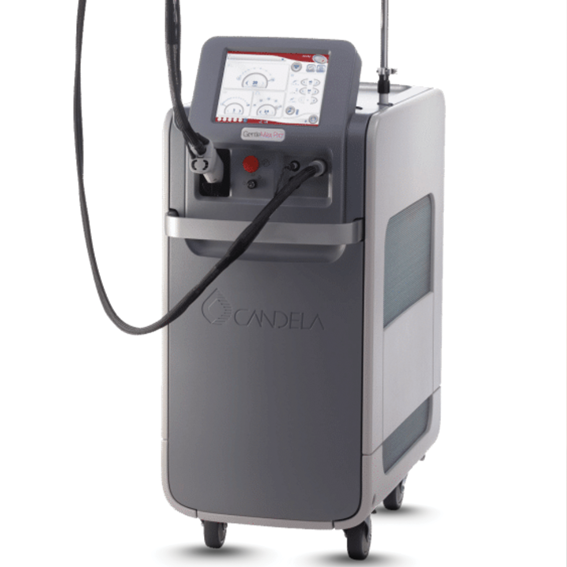
At Vurve Aesthetics, laser hair reduction is approached as a clinical process rather than a cosmetic add-on. Treatments are performed using Gentle YAG Pro under doctor-supervised protocols. Each treatment plan is customised based on skin type, hair characteristics, and individual response. The focus remains on long-term skin health, safety, and realistic outcomes rather than quick results.
By combining medical-grade technology with consistent clinical standards across clinics, Vurve aims to provide laser hair reduction that is effective, safe, and appropriate for Indian skin. Gentle YAG Pro is an advanced Nd: YAG laser system designed specifically to address the challenges of treating darker skin tones safely and effectively. This significantly reduces the risk of burns and post-inflammatory pigmentation, which are common concerns in Indian skin.
Clinically, this deeper penetration makes it particularly effective for:
- coarse and deep-rooted hair
- hormonally influenced hair growth
- sensitive areas such as the face and bikini line
Why Choose Vurve Aesthetics for your Laser Hair Reduction?
Laser hair reduction works best when it is approached with the right expectations, the right technology, and the right clinical guidance. When these elements come together, the treatment becomes not just effective, but safe, predictable, and sustainable for the skin. At Vurve Aesthetics, every laser hair reduction plan is built around medical standards, skin-specific protocols, and technologies suited for Indian skin tones, performed by expert aesthetic doctors.
📞 Get a Personalized Quote: Every skin type is different. Book a consultation at Vurve Aesthetics to start laser hair reduction with clarity, care, and medical expertise.
Have you been scrolling social media, looking for treatments or new skincare products, hoping to find something that improves your skin? Then there are chances that you would have come across this magical term called ‘‘dermaplaning.’’
Now imagine you are planning on taking a vacation or have a party to attend, and you want your skin to glow and your face to give that ‘’no makeup makeup look’’ vibes. If you think that you're asking too much, then we’d say no. Why? Because a dermaplaning session can give you exactly what you want. Too good to be true?
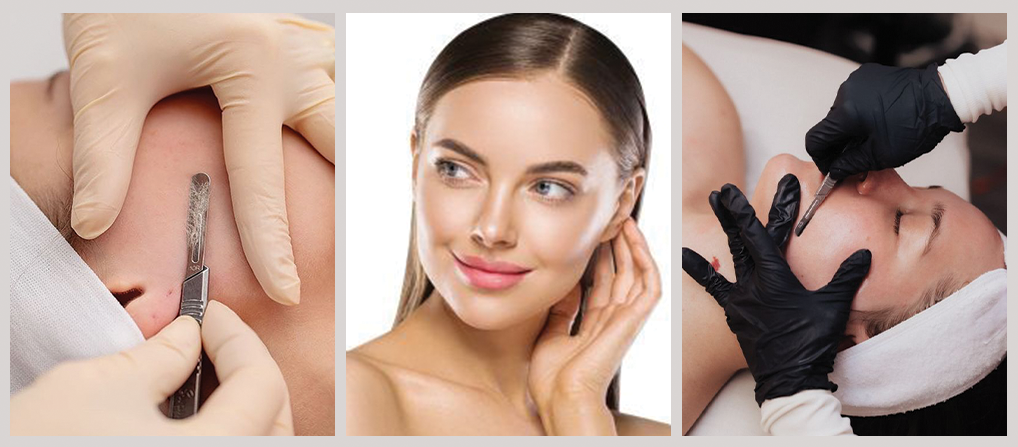
Dermaplaning is a professional exfoliation treatment that uses a sterile surgical blade to gently remove dead skin cells and fine facial hair, also known as "peach fuzz." By clearing away this surface layer, dermaplaning reveals a fresher, more vibrant layer of skin, giving you a noticeably brighter complexion. At Vurve Aesthetics, we perform this treatment with precision and care, ensuring that each session leaves your skin feeling rejuvenated and exceptionally smooth.
Now that you know what dermaplaning means, the next question would be why it is done, does it have any benefits, and whether or not it's a treatment you should try. Read further, to get answers to all your questions.
How Does Dermaplaning at Vurve Aesthetics Work?
Dermaplaning is a simple, effective, and painless way to remove facial hair and exfoliate the skin.
Here’s how it works,
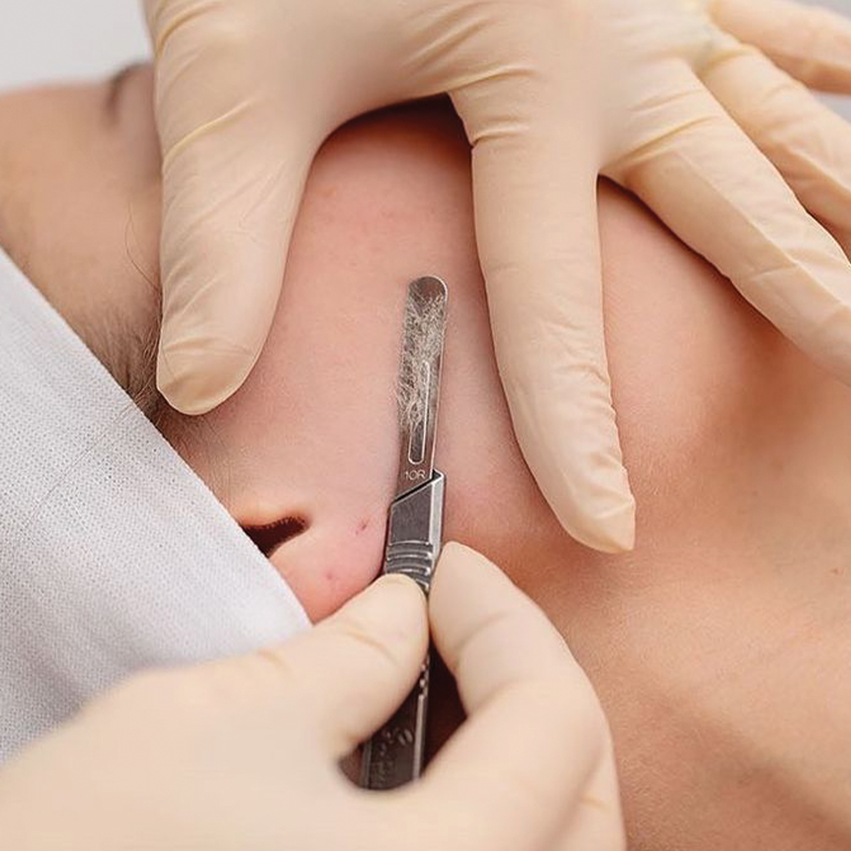
The procedure is simple, the first step in dermaplaning is cleansing your skin. If you’re wearing makeup then we might go for double cleansing. The cleansing process ensures that all your makeup, oil, and dirt are removed from the skin.
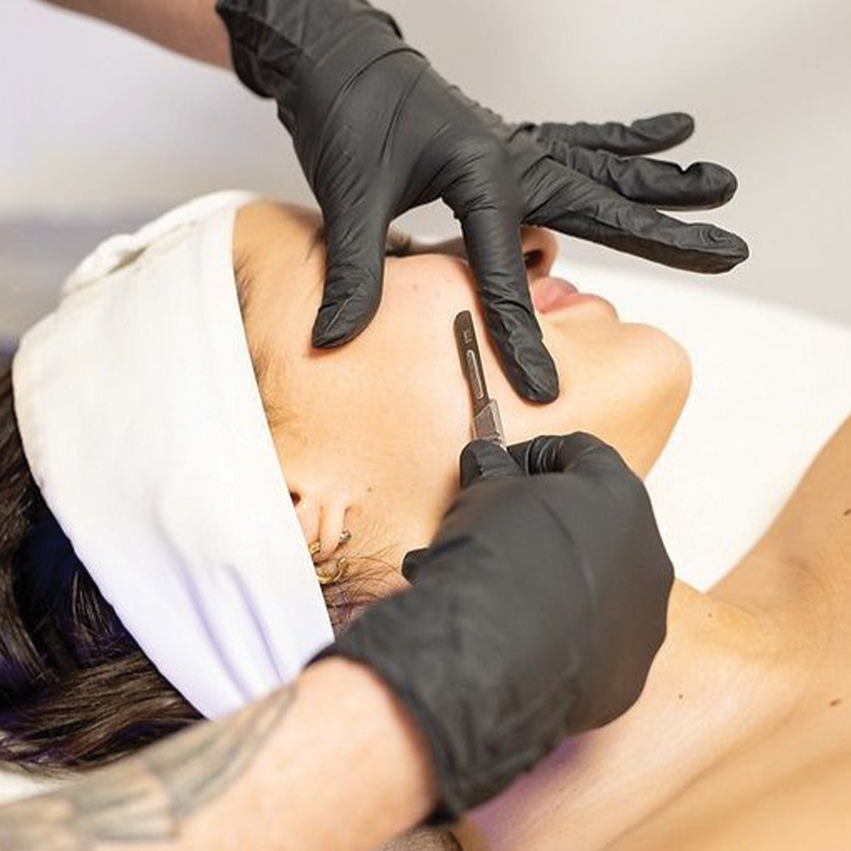
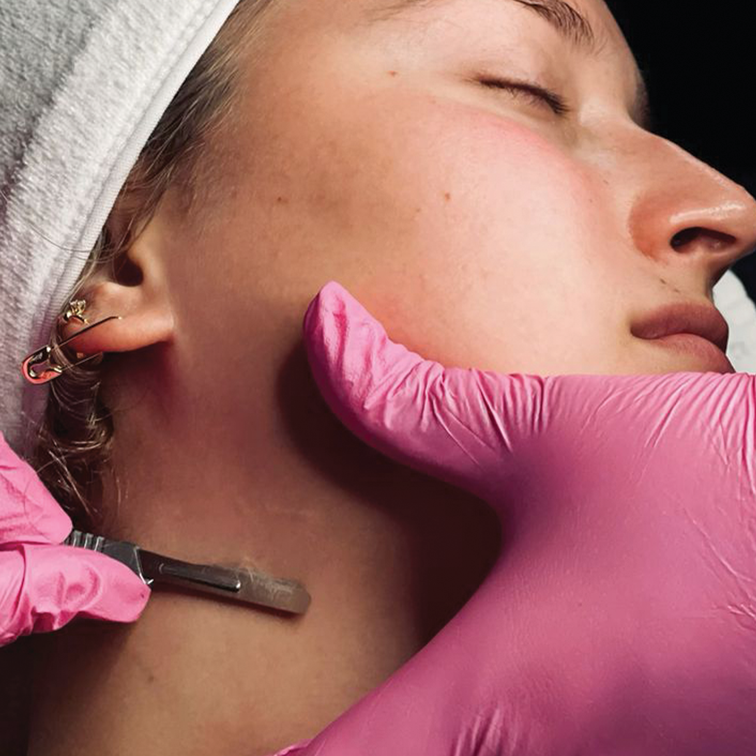
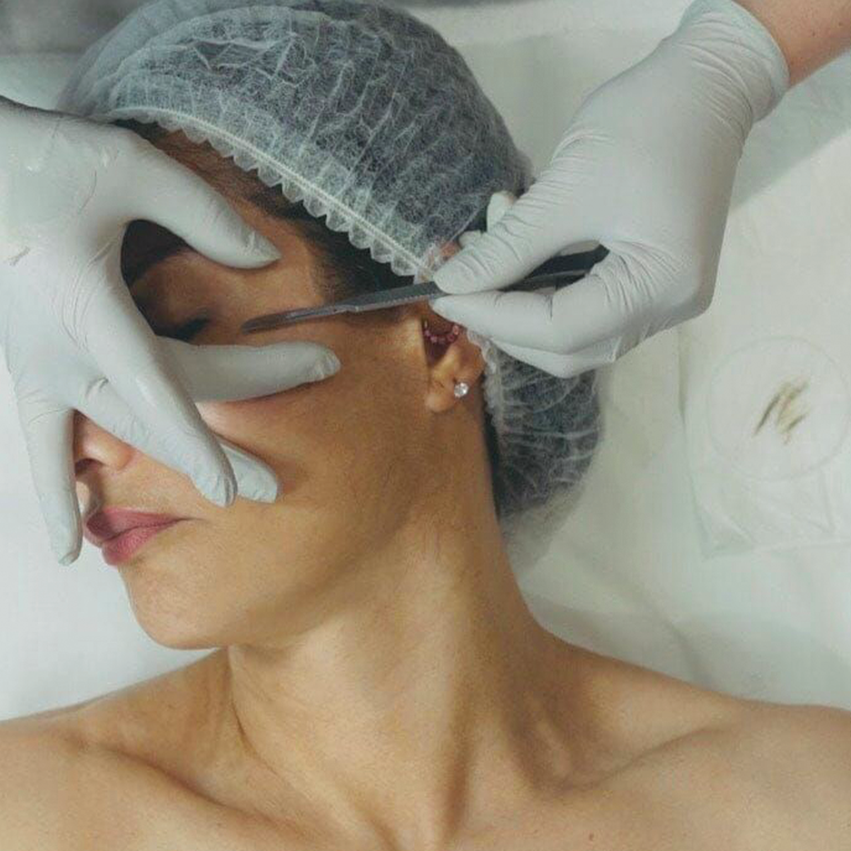
After cleansing, your skin will be examined. We will then use an oil such as argan or jojoba oil all over the face to allow the blade to glide smoothly. A sterile scalpel will be used to gently glide along your skin at a 45-degree angle to remove the facial hair and dead skin cells.
After the treatment, a warm towel will be placed on your face to remove any excess hair. Then, we end the treatment by applying a serum for hydration, followed by a moisturizer and a sunscreen.
The Benefits of Dermaplaning at Vurve Aesthetics
Dermaplaning has several benefits which is why it is a favorite among celebrities and supermodels. Some of these benefits include:
- It is non-invasive and safe
Dermaplaning is a non-invasive beauty procedure which makes it completely safe. It won’t cause any pain or discomfort. Also, this treatment doesn’t involve the use of any harsh chemicals.
- Smoother skin in an instant
This treatment promises instant results. Just after the first session, you will notice that your skin has become smoother and brighter.
- No more peach fuzz
The facial hair can store a lot of dirt which with time can trigger acne. With dermaplaning you can now say goodbye to those fine facial hair.
- Instant removal of dead skin cells
If you feel like you have dull skin despite using the best products, the reason could be dead skin cells. In dermaplaning, these dead skin cells are removed by exfoliation, which gives you youthful-looking skin.
- Better absorption of products
There is no point in using expensive skincare products if they aren’t absorbed by the skin properly. But, dermaplaning solves this issue too. Since the process involves removing the buildup of dead skin cells, dirt, oil, and facial hair, your skin can now absorb and get the maximum benefits from your serums, oils, and moisturizers.
- A smooth canvas for makeup
We all love flawless-looking makeup, right? Well, a dermaplaning session can help you achieve that look. Dermaplaning helps in getting rid of clumps of dead skin cells or fibres that would come between your fresh skin and makeup. Hence, when you apply makeup, it will absorb well, and go on smoothly.
Is Dermaplaning Right for You?
Dermaplaning is suitable for most skin types, especially those looking for a gentle yet effective exfoliation method. If you’re dealing with dullness, or uneven texture, or want a smoother makeup application, dermaplaning might be perfect for you. However, if you have active acne or certain skin conditions, a consultation with our experts can help determine the best treatment options
Duration of the Process and Results
A dermaplaning session may take around 30 minutes to an hour depending on how much area is covered during the session.
Soon after the dermaplaning session, you will notice that your skin has become bright, glowing, and radiant. Since the treatment has removed all the facial hair and dead skin cells, your skin will be smooth with an even skin tone, giving you a youthful glow.
Do’s and Don’ts Post-treatment
Now that you know about all the great benefits that come with dermaplaning, there are a few dos and don’ts to keep in mind after getting the treatment.
The Do’s:
⇨ After the treatment, follow a simple skincare routine at least for two weeks. Use products that will hydrate, moisturize, and nourish your skin.
⇨ Use a hydrating toner or serum or even a facial oil daily to hydrate and nourish your skin. Always use an SPF according to your skin type before stepping out.
⇨ Don’t forget to drink plenty of water to keep your skin hydrated.
The Don'ts:
⇨ Dermaplaning is an exfoliating skin treatment, hence you should avoid using any other exfoliants such as facial scrubs, deep exfoliating peels, abrasive cleansers, washcloths, or even any other treatment such as microdermabrasion facial.
⇨ Avoid using skincare products with acids such as retinol, and glycolic acid. Using these ingredients can lead to redness, dryness, and irritation.
⇨ Avoid using hot water for showers or to cleanse your face. You should also avoid vigorous exercises, direct sun exposure, steam rooms, and saunas for at least two weeks after the treatment.
Why Choose Vurve Aesthetics for Dermaplaning?
At Vurve Aesthetics, we combine expertise with a commitment to safety and luxury. Our experienced team uses only the highest-quality tools and techniques to ensure each client receives the very best care. With a deep understanding of skin health and a focus on customized solutions, we provide a dermaplaning experience that’s as relaxing as it is effective. We prioritize your comfort, safety, and the quality of results with every treatment.