Tag: Butterfly Feather Cut
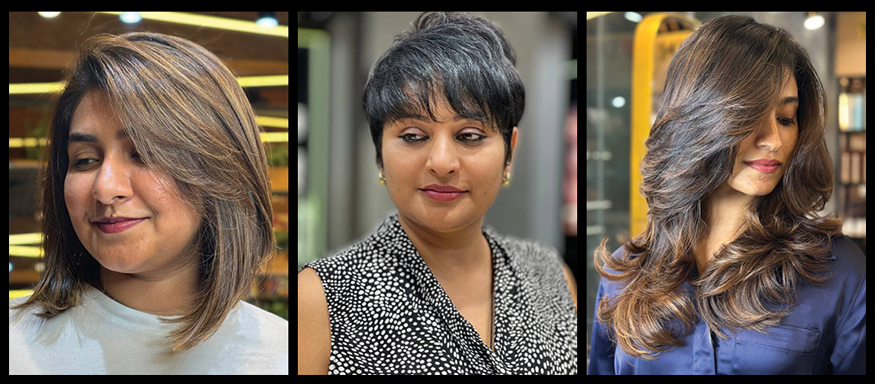
Key Takeaways
- The trending haircuts for women in 2026 include the pixie cut, frame cut bob, blunt bob, wolf cut, long layered lob, Birkin bangs, blunt curtain bangs, and butterfly feather cut.
- Face shape and hair texture decide how a cut looks on you, so match the style to both before booking.
- Wolf cuts and pixie cuts suit most hair textures, while Birkin bangs look best on naturally straight hair.
- Frame-cut bobs and long layered bobs fit busy mornings, since a quick blow-dry or flat iron is enough.
- A stylist consultation helps you pick a cut that fits your features and daily routine.
Many of us have made last-minute appointments for haircuts. A rough week, a breakup, a new job, or just a restless mood, and the mirror suddenly feels like the quickest place to start over. A fresh cut works like a reset button, which is why so many women walk into a salon with a vague idea and a saved photo. This year, the trending haircuts for women lean toward soft layers, easy movement, and shapes that look good even when slightly undone. Below are short and long options, who each one suits, and how to style them at home, so your next fresh start begins with a clear plan.
What Are the Best Haircuts for Women in 2026?
The best haircuts for women in 2026 are the pixie cut, frame cut bob, blunt bob with micro fringe, and wolf cut for short hair, plus the long layered lob, Birkin bangs, blunt curtain bangs, and butterfly feather cut for long hair. Each works with specific face shapes and textures.
Haircuts for Short Hair
Short haircuts for women in 2026 center on texture and shape. A pixie, a bob, or a wolf cut each gives short hair a distinct personality, and the right one sharpens your jawline and cheekbones.
Pixie Cut with a Twist
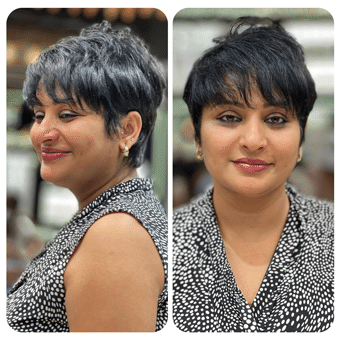
A pixie cut keeps the sides and back short with extra length on top. The twist comes from textured layers, bold color, and either an undercut or uneven lengths. Most face shapes suit it, including round, oval, square, and heart, and it works on straight, wavy, and curly hair alike. Small tweaks in the top section make the style feel personal.
Frame Cut Bob
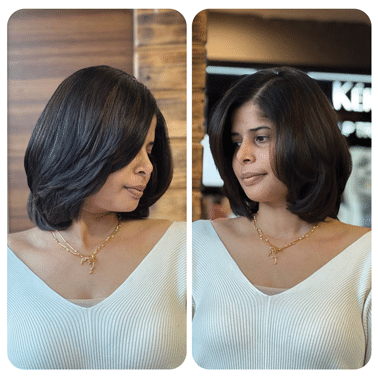
A frame-cut bob is a chin-to-shoulder-length bob with layers that frame the face. The hair sits shorter at the back and lengthens toward the front. It suits oval, heart, and square faces because it defines the jawline and lifts the cheekbones. Wavy, straight, and textured hair all take this cut well. A quick blow-dry or flat iron handles daily styling.
Blunt Bob with Micro Fringe
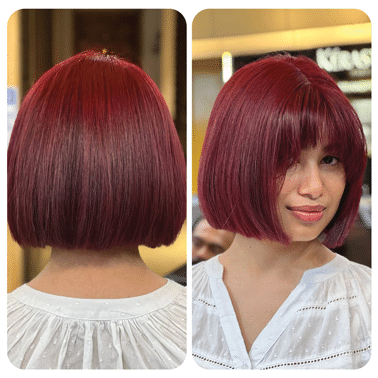
This cut is bold and graphic. The ends are cut straight across, usually at the chin or just above the shoulder, and a short fringe sits well above the eyebrows. Heart and oval faces carry it best, though it flatters other shapes too. Every hair texture can wear it, and a flat iron keeps the edges crisp.
Signature Wolf Cut
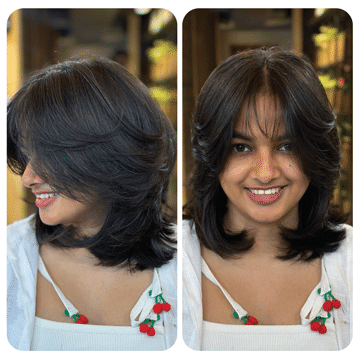
The wolf cut layers short, choppy pieces at the front into longer lengths at the back, which gives volume and a lived-in, windswept finish. It works on straight, curly, and wavy hair, and it looks especially good on oval and heart-shaped faces. Curtain or side-swept bangs add a softer frame, so try both with your stylist before choosing.
Haircuts for Long Hair
Long hair gains the most from layers and bangs. These cuts add shape and movement while keeping your length, which makes them a gentle way to try something new.
Long Layered Lob
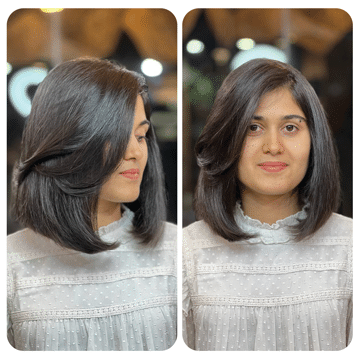
A long bob, or lob, falls just above the shoulders or at the collarbone. Layers add shape, and the cut flatters every face shape and hair texture. Use a flat iron for a sleek finish or a curling iron for beachy waves, and a texturizing spray defines the layers.
Birkin Bangs
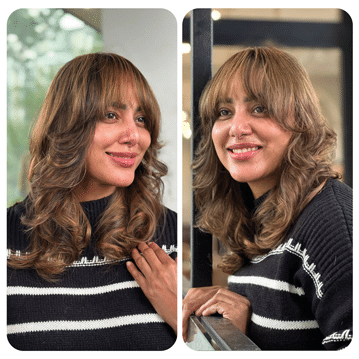
Birkin bangs take their name from the actress Jane Birkin. They are wispy and soft, graze the eyebrows, and grow longer toward the sides, so they blend into the rest of your hair and frame the face. They suit oval faces and naturally straight hair. A large roller and a blow dryer add the volume.
Blunt Curtain Bangs
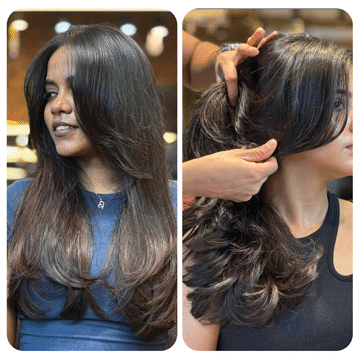
Blunt curtain bangs create a modern, striking look. They are straight across, slightly wispy, and parted in the middle or just off center, and they blend into the length. Straight to slightly wavy hair works best, and oval, round, and heart-shaped faces carry them well.
Butterfly Feather Cut
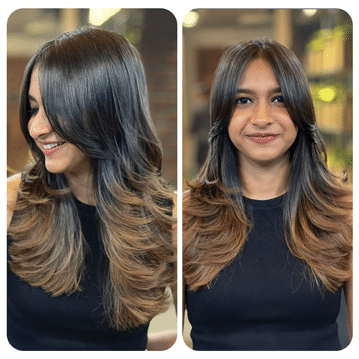
The butterfly feather cut is a soft, voluminous, layered style that starts around the face and flows downward. Oval faces suit it best, and curly or wavy hair gives it extra bounce. Mousse, a round brush, and a blow dryer create the lifted shape.
How Do You Choose the Right Haircut for Your Face Shape?
Start with your face shape, then factor in hair texture and how much daily styling you enjoy. Layers and bangs soften angles, and blunt lines add structure. A stylist can confirm the match in person.
Face shape |
Cuts that flatter |
Oval |
Frame cut bob, Birkin bangs, butterfly feather cut |
Round |
Long layered lob, blunt curtain bangs, pixie with height on top |
Square |
Frame cut bob, wolf cut with soft bangs |
Heart |
Blunt bob with micro fringe, wolf cut, frame-cut bob |
For hair texture, wavy and curly hair pair well with the wolf cut and butterfly feather cut. Straight hair shows off Birkin bangs and blunt curtain bangs.
Get Your 2026 Haircut at Vurve
Whether you want a classic bob or something dramatic, the best cut is the one that suits your features and your routine. At Vurve, our stylists handle coloring, cutting, and styling, and they help you find a haircut for your face shape and hair texture, with customized adjustments built around your needs. Book a consultation and walk out with a cut you love.
Frequently Asked Questions
1. Which haircut is best for a round face?
A long layered lob or blunt curtain bang suit a round face well. Both add vertical lines and soft framing around the cheeks. A pixie with extra height on top also lengthens the face visually.
2. What is the best low-maintenance haircut for women?
A frame-cut bob or a long layered lob fits busy mornings. A quick blow-dry or flat iron finishes either one, and the layers hold their shape between salon visits.
3. Are bangs in style in 2026?
Yes. Blunt curtain bangs and Birkin bangs both remain popular this year. They frame the face and blend into the surrounding layers, which makes them an easy way to refresh any cut.
4. What is a wolf cut?
A wolf cut layers short, choppy pieces at the front into longer lengths at the back. It gives volume and a windswept finish on straight, wavy, and curly hair. A light texture spray completes the look.
5. Which haircut makes thin hair look thicker?
Soft layers and blunt bobs create the look of fuller hair. Layers add lift at the crown, while a blunt bob keeps the ends dense and even. A lob with gentle layers is another good option.
6. What haircut suits curly hair?
The wolf cut and the butterfly feather cut suit curly hair best, since both celebrate natural bounce and texture. Layers remove weight, and a stylist can shape them around your curl pattern.
7. How often should you get a haircut to keep a trendy style?
Short cuts such as the pixie and blunt bob hold their shape best with a trim every six to eight weeks. Longer layered cuts can stretch a little further between visits. Your stylist can set a schedule around your hair growth.
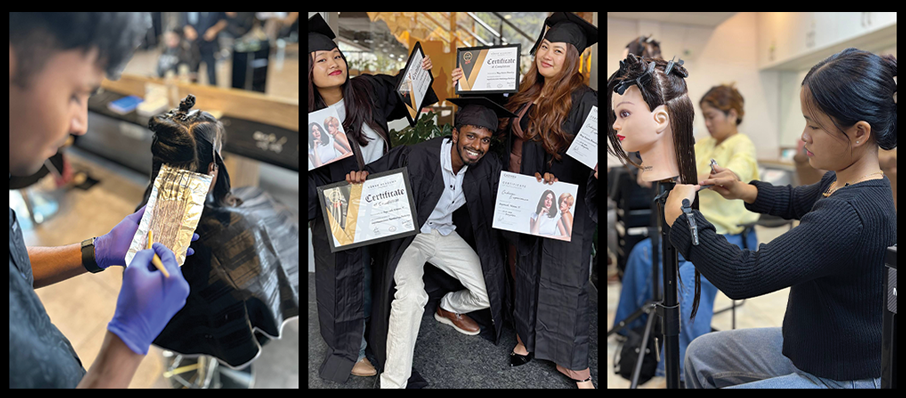
Key Highlights
- Get to know exactly what a professional hairstylist earns today with salary benchmarks
- Discover why training in Bangalore offers a competitive edge, from access to a high-spending clientele to the city's look out for global hair trends and advanced tech.
- Learn the specific skills required in market that separate a standard hairdresser from a high-end stylist.
Someone says that if they’re thinking about becoming a hairstylist, almost immediately, the practical questions start coming up.
Is there real money in it?
Is it stable long-term?
Can you actually build a serious career doing this?
They’re fair questions.
For a long time, hairdressing was misunderstood as just a salon job. Something people did for a few years before moving on. But if you look at what’s happening in the industry today, the picture is very different.
The global beauty industry is expanding rapidly. Clients are investing more in professional grooming than ever before. And skilled stylists are building careers around specialised services like advanced colouring, chemical treatments, and bridal styling. At the same time, the nature of work itself is shifting. As technology changes many traditional jobs, careers built on creativity, hands-on skill, and human connection are becoming even more valuable.
Hairdressing sits right at the intersection of all three.
So if you’ve ever wondered whether this is still a smart career choice, this guide will walk you through the real picture: the industry growth, income potential, training pathways, and where the opportunities actually lie today.
The Industry Is Bigger Than Most People Realise
Let's put some numbers on the table, because this part genuinely surprises people.
|
The global hair care market is currently valued at over $106.9 billion and is expected to cross $292 billion by 2035. |
These aren't niche figures. These reflect billions of people around the world who spend consistently on how they look and feel.
In India specifically? The beauty and personal care industry is growing at 10–12% annually. That's one of the fastest growth rates in the world. And driving that growth are three things that aren't going away anytime soon:
- Social media: Instagram and YouTube have created a generation of clients who arrive at salons with reference photos, trend awareness, and high standards. They know what good work looks like, and they're willing to pay for it
- The Indian wedding industry: Millions of weddings every year, and skilled bridal stylists are in serious demand, consistently outpacing supply
- Premium salon chains are expanding: Luxury concepts are entering Indian metros. And the client who walks into a Bangalore salon in 2026 is very different from the one who walked in ten years ago. They're more informed, they spend more, and they genuinely appreciate expertise.
That's the environment you'd be entering. It's a good one.
Here's What's Actually Changed About Hairdressing Education
Today's clients, especially in premium and luxury salons, can tell the difference between someone who was properly trained and someone who wasn't. They've seen international work on social media. They know what a real colour consultation feels like. They can tell when a stylist knows their chemistry versus when they're guessing.
And the salons? They increasingly prefer stylists who come with structured academy training. Certification signals that a stylist understands not just techniques, but also the science and professionalism behind the work.
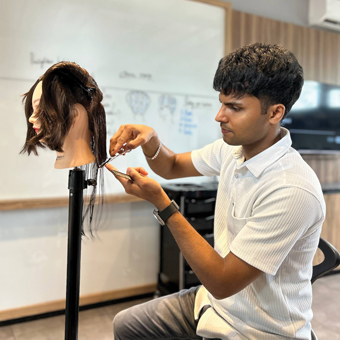
Modern hairdressing education now includes:
- International haircutting and colouring techniques
- Chemical treatment safety and product knowledge
- Hair structure and scalp health fundamentals
- Client consultation and communication skills
- Personal branding and career development
If you enter the industry without a strong foundation in structured training, it limits your growth and earning potential later in your career.
That is where professional academies play an important role.
Structured, academy-based training has become the difference between a good start and a slow one.
Why Bangalore? Because This City Is on Another Level
Not every city gives you the same environment to grow in. Bangalore, right now, is genuinely exceptional for someone starting a hair career, and here's why. The city has a young, professionally active, high-income population that spends generously on personal presentation. The tech and startup ecosystem has created one of India's wealthiest urban demographics. That money flows into lifestyle spending, and grooming is consistently at the top of that list.

Bangalore has:
- A rapidly expanding luxury salon market with international and premium Indian chains actively competing for skilled talent
- One of India's most active wedding and events industries, creating consistent year-round demand for bridal and occasion stylists
- A thriving fashion and content creation community that needs editorial-grade hair work for shoots, campaigns, and digital content
- A culture that genuinely rewards expertise, clients here appreciate quality and are willing to pay for it
For a trained professional, Bangalore doesn't just offer a first job. It offers a career that builds momentum fast. The jump from junior stylist to senior stylist to independent professional happens quicker here than almost anywhere else in India.
Who Is This Career Actually For?
Hairdressing is no longer limited to traditional beauty career paths. Today, it attracts individuals from diverse backgrounds. This career can be a strong fit for:
- Students exploring options after 12th grade
- Individuals considering a career switch
- Creative professionals who enjoy hands-on work
- Entrepreneurs who want to start their own salon
- People who prefer shorter, skill-focused training programs instead of long academic degrees
What it doesn't suit: people looking for a passive path. This is a craft, and crafts grow with genuine curiosity and effort. But if that sounds like you, you'll find it deeply rewarding personally and financially.
What is the Salary of a HairStylist?
An entry-level stylist typically earns ₹18,000 - ₹25,000 per month, depending on the salon. That grows meaningfully and fairly quickly with skill and specialisation.
Senior stylists at premium salons earn ₹30,000 - ₹55,000 per month, and that's before incentives and commissions, which at luxury salons can add substantially to that number.
A skilled bridal stylist can charge ₹8,000–25,000 per booking. During peak wedding season (October through February), multiple bookings a week is entirely normal.
Salon ownership is the longer horizon, but for those who combine strong craft with business thinking, it represents the most significant earning potential in the field.
There are also real international opportunities. The Middle East, UK, Australia, and Southeast Asia actively recruit trained Indian hair professionals. A well-trained stylist with good communication skills is competitive for these roles.
The ceiling here isn't fixed. It moves based on your skill, your reputation, and the relationships you build over time. That's actually a good thing.
|
Level |
Monthly Earning Potental |
Key Perks |
|---|---|---|
|
Entry-Level Stylist |
₹18,000 - ₹25,000 (Base) |
High tips + performance bonuses |
|
Senior Stylist |
₹30,000 - ₹55,000 (Base) |
Performance bonuses + Travel opportunities |
|
Master Colorist / Educator |
₹60,000 - ₹1,00,000 |
Brand partnerships + Masterclasses |
|
Freelance / Salon Owner |
Uncapped |
Total creative and financial freedom |
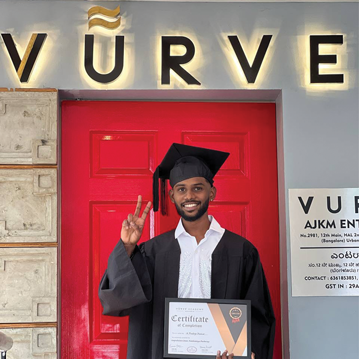
Introducing Vurve Academy Bangalore
We started Vurve Academy in Bangalore for one simple reason: the city is full of opportunities, but not enough trained stylists to meet the demand. Premium salons, weddings, fashion shoots, and high-end clients are everywhere, yet many aspiring stylists struggle to get the right training to succeed.
Vurve Academy was created to bridge that gap. We wanted a place where students don’t just learn techniques, they experience the real salon world from day one, develop the confidence to work with clients, and master the skills that modern salons actually value.
The results speak for themselves:
|
5 |
12 |
100% |
Whether you’re a beginner looking to start a career or an existing stylist aiming to upgrade your skills, Vurve Academy provides the foundation, exposure, and mentorship to turn talent into a sustainable, professional career.
Courses Offered
Hair Foundation Course (8 Weeks)
Designed for beginners who want to start a professional hairdressing career from scratch. The course focuses on core skills, haircutting basics, styling techniques, and essential salon knowledge.
Advanced Hair Cut & Colour Course
Ideal for stylists who want to upgrade their skills with modern haircutting techniques, colour theory, and advanced hair transformation methods.
Why Choose Vurve Academy?
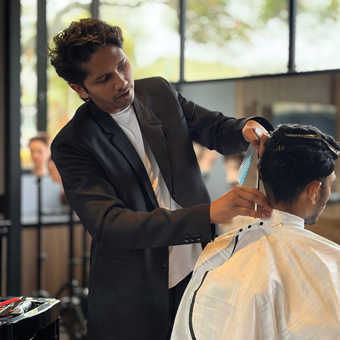
Many training institutes focus primarily on classroom instruction. Vurve Academy takes a different approach. Our programs are designed to replicate the real pace and expectations of a professional salon environment.
Students benefit from:
- Hands-on training led by working industry experts
- Exposure to real client services
- Small batch sizes with a student-to-teacher ratio of 8:1 allow individual attention
- Structured modules covering cutting, colouring, styling, and chemical treatments
- Training in consultation skills and client communication
- 100% placement support and professional development
|
"We keep batches small because real mentorship doesn't scale. And we'd rather do this right than do it big. - Manoj Samuel, Vurve” |
The goal is not just to teach techniques, but to build confident, industry-ready professionals.
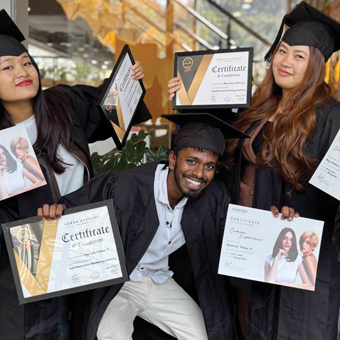
A Quick Note: 20% Off for Our Next Two Batches
|
For a limited time, we're offering 20% off on the course fee, valid for the next two batches only! |
Reach out to us to learn about the upcoming batch schedule, what the curriculum looks like, and what a week of training at Vurve actually feels like. We're happy to answer every question honestly, including the ones you're not sure you should be asking. Please fill in your details in the form, and we will contact you shortly!
📞 Call / WhatsApp: +91 73388 97319
💬 Chat
🌐 Enroll
🌐 vurvesalon.com/vurve-academy
Are You Ready?
A few years ago, hairdressing was often seen as an informal profession you simply “picked up” inside a salon. That perception is changing.
Today’s stylists are not just cutting hair. They are colour specialists, transformation experts, consultants, and artists who help clients feel confident about how they look. And like any skilled profession, the difference between an average stylist and a successful one often comes down to training and foundation.
For anyone who enjoys creativity, working with people, and building a hands-on career, hairdressing offers something many traditional paths don’t: the ability to start early, grow fast, and build a reputation based on skill. The industry is growing. The demand for trained professionals is rising. And cities like Bangalore offer some of the best environments to learn and grow. For those ready to take that first step, the right training can make all the difference. Are you ready?